
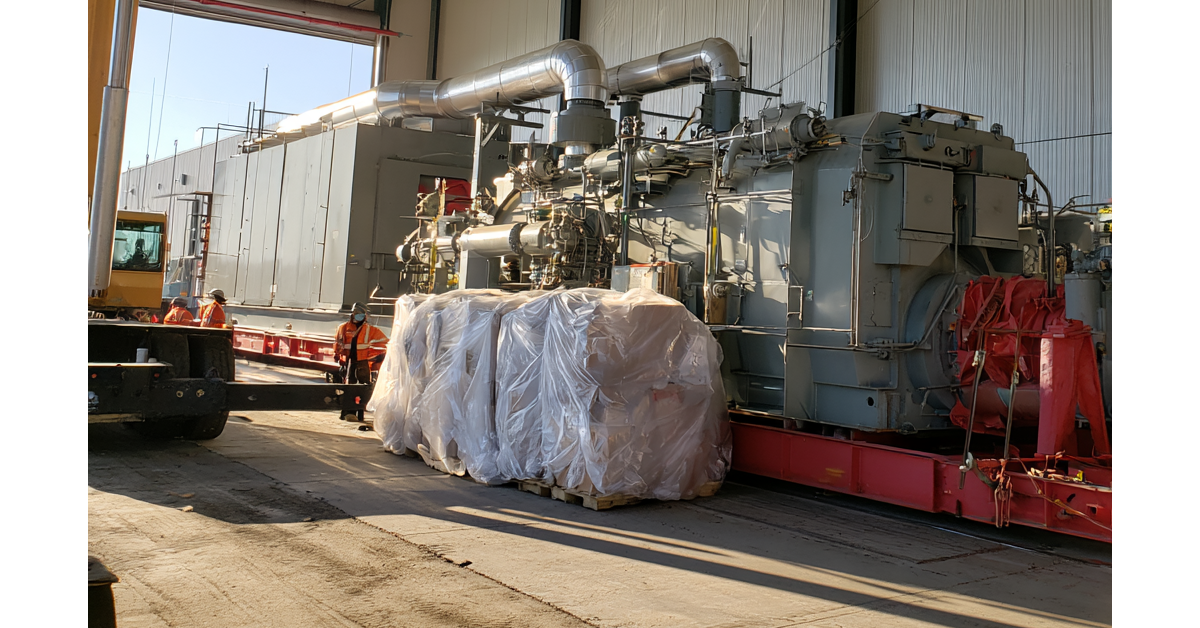
The most consistent source of friction in a custom packaged mechanical system project is not the design, not the installation, and not the commissioning. It is the period between the purchase order and the delivery. The customer expects the system on a certain date. The fabricator is managing engineering reviews, material procurement, shop scheduling, and factory testing across multiple projects simultaneously. When those two realities are not aligned from the start, the lead time conversation becomes a problem conversation rather than a planning conversation.
This article describes what actually happens between the order and the delivery on a FabPro project, what drives the timeline at each stage, and what customers can do during the fabrication window to prepare for a delivery that goes smoothly.
Engineering review and design confirmation
The first stage after the purchase order is placed is engineering review and design confirmation. This is not a formality. For a custom packaged system, the engineering review confirms that every design decision that was discussed during the sales process has been captured correctly in the fabrication documentation, that the field connection points match the building infrastructure the customer has confirmed, and that any design questions that were open at the time of the order have been resolved before material is ordered.
The engineering review stage is the last point in the project where changes can be made without affecting the fabrication schedule. A change to a connection size, a valve specification, or a controls requirement that is identified during engineering review adds a day to the schedule. The same change identified after material has been ordered and cut may add weeks.
The customer’s role during engineering review is to respond to any open questions quickly and to review the design confirmation documents with the attention they deserve. A customer who returns design confirmation comments two weeks after receiving them has added two weeks to the project timeline, regardless of how efficiently the fabrication shop is scheduled.
Material procurement
After engineering review is complete and the design is confirmed, material procurement begins. For most standard packaged systems, the major equipment items, pumps, heat exchangers, valves, drives, and controls panels, have lead times that range from a few days for stock items to several weeks for configured or engineered-to-order equipment.
The procurement timeline is the most variable element of the fabrication schedule and the one most affected by supply chain conditions that neither FabPro nor the customer controls. A pump model that has historically shipped in two weeks may be on a six-week lead time during a period of supply constraint. A controls panel that requires a specific processor or drive may be affected by component availability that changes week to week.
For projects with firm delivery requirements, the procurement strategy needs to be discussed at the time of the order rather than after the purchase order is placed. Projects where early procurement of long-lead items is identified and authorized before the engineering review is complete arrive at the fabrication stage with material ready rather than waiting for material to arrive before fabrication can begin.
Fabrication sequence
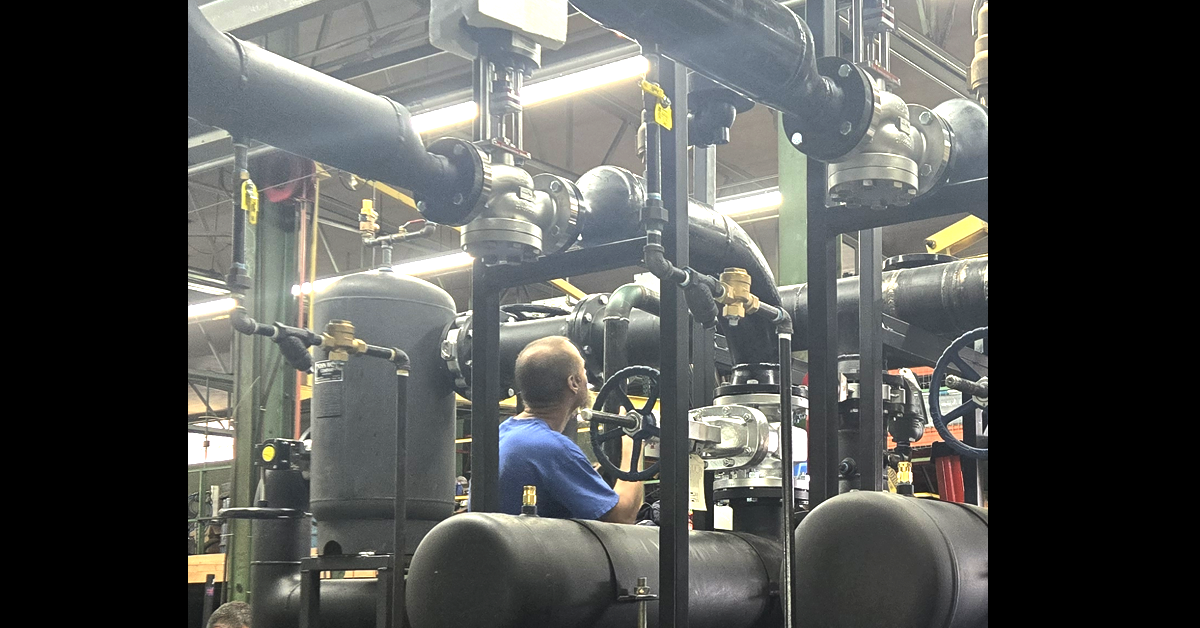
Once the major equipment items are on hand, fabrication begins. The fabrication sequence for a packaged mechanical system typically follows a logical order: structural base fabrication first, then major equipment setting and alignment, piping fabrication and installation, electrical installation, instrumentation installation, and controls panel integration.
The fabrication sequence is not always linear. Structural work and piping fabrication can proceed in parallel when the design is detailed enough to allow both to start simultaneously. Controls panel wiring can begin before the panel is set on the skid when the panel is being built on a separate bench in the shop. Identifying the opportunities for parallel work during project planning rather than discovering them during fabrication compresses the fabrication timeline.
For complex systems where multiple major components require factory integration before the system can be assembled, the fabrication sequence needs to account for the arrival sequence of those components. A heat exchanger that arrives a week after the pump changes the order in which the skid can be assembled. Planning for realistic arrival sequences rather than assuming everything arrives simultaneously is part of how FabPro manages the fabrication schedule.
Factory testing
Factory testing follows fabrication completion. As described in our earlier article on the FabPro factory testing process, testing includes hydrostatic pressure testing, alignment verification, controls cycling, electrical sign-off, and functional run testing where the application permits.
Factory testing takes time, and that time is part of the project schedule, not an addition to it. A system that cannot be pressure tested until after the piping is complete and the fittings are torqued to specification is a system whose pressure testing cannot start until fabrication is genuinely complete. Rushing through fabrication to hit a delivery date and then pressure testing a system that has not been properly assembled produces a pressure test that finds problems that need to be fixed before the system ships. That takes longer than fabricating correctly the first time.
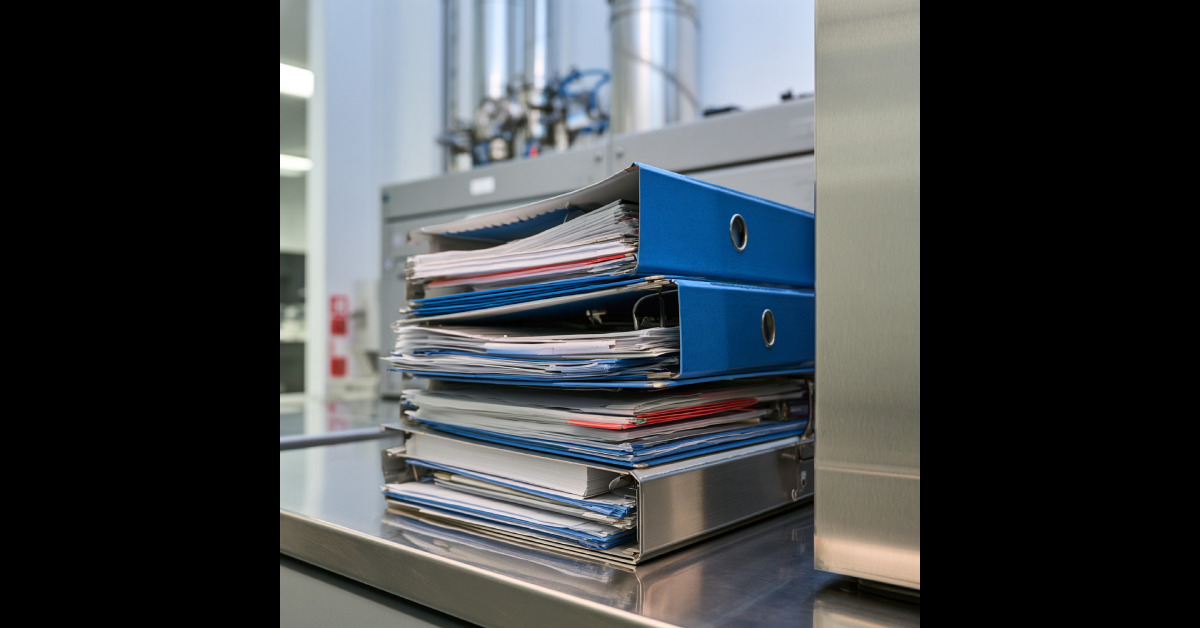
The factory test documentation is prepared during the testing phase and reviewed before the system ships. For projects where the customer’s commissioning agent needs to review the factory test documentation before the system arrives on site, that review needs to be scheduled as part of the project timeline rather than assumed to happen instantaneously.
What to do during the fabrication window
The fabrication window is not a waiting period for the customer. It is the window during which the field installation preparation should be completed so that the system can be installed and commissioned without delay after delivery.
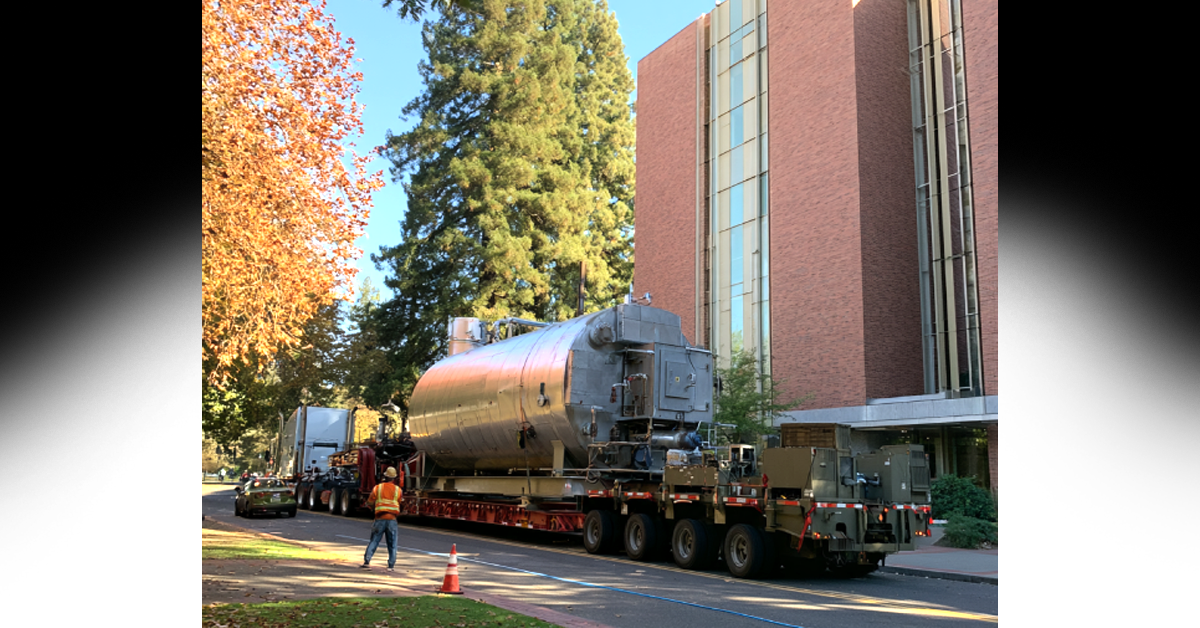
The mechanical room should be ready to receive the system before the delivery date. That means the structural slab or mounting points are complete and at the correct elevation, the utility rough-ins are in place at the correct locations, and the access path from the delivery point to the installation location has been cleared and confirmed to be adequate for the system dimensions and weight.
The electrical service should be ready at the single-point connection point before the system arrives. A system that is delivered and set but cannot be started because the electrical rough-in is not complete is a system whose commissioning has been delayed by a preparation failure, not a fabrication problem.
The commissioning agent should be identified and briefed on the factory test documentation before the delivery date. A commissioning agent who has reviewed the factory test records arrives at the commissioning visit knowing what was verified at the factory and what needs to be verified in the field, rather than starting from a blank page.
For projects where FabPro packaged systems include GP Energy Products boiler equipment, the boiler startup and commissioning is coordinated between the GP Energy service team and the commissioning agent. Visit gpenergyproducts.com for more. For pump commissioning coordination, the Merion Pump Company team handles pump startup and performance verification. Visit merionpump.com for more. For heat exchanger and coil commissioning, the HX Coils team supports coil installation and startup verification. Visit hxcoils.com for more.
FabPro Systems designs and fabricates custom packaged mechanical systems for commercial, institutional, and industrial applications nationally. The fabrication timeline conversation starts at the time of the order, not after the purchase order is placed. Reach out early and we will build a realistic schedule that the project can actually hit.
References
1. ASME B31.3. Process Piping Code. Governs fabrication, testing, and inspection requirements for packaged piping systems. asme.org
2. ASHRAE. Commissioning Process for Buildings and Systems, Guideline 1.1. Covers the relationship between factory fabrication documentation and field commissioning timelines. ashrae.org
3. Construction Management Association of America. Project Schedule Management Standards. Covers procurement timeline management and parallel work sequencing for construction and fabrication projects. cmaanet.org
4. Hydraulic Institute. Pump Installation, Operation, and Maintenance Standards. Covers factory testing and commissioning preparation requirements for packaged pump systems. pumps.org



Leave A Comment