
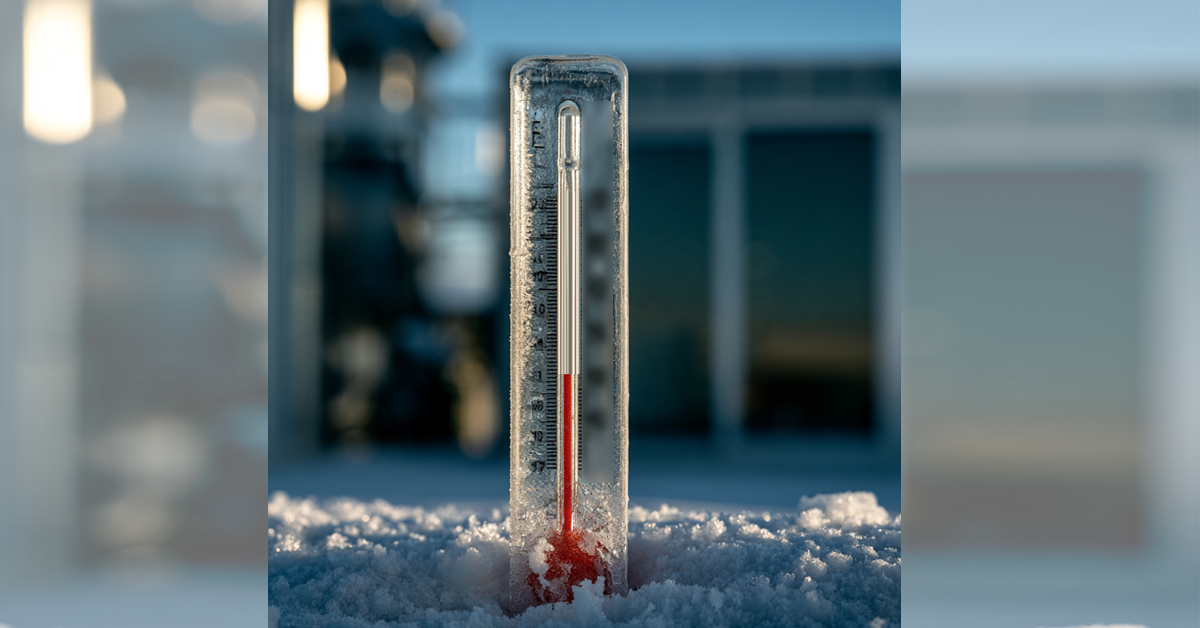
A packaged mechanical system project that begins in October faces a set of conditions that a project starting in May does not. The outdoor temperature is dropping. The building the system is going into needs heat. The installation crew is working in cold conditions that affect both the work itself and the timeline for getting the system online. And the pressure to deliver heat to the building compresses the schedule in ways that can compromise quality if the project is not managed with those conditions in mind from the start.
Factory assembly addresses some of these challenges directly. A system that arrives on site as a complete, tested assembly with defined connection points compresses the field installation time compared to a field-assembled equivalent, which is exactly the kind of schedule compression that a cold weather installation under pressure needs. But factory assembly does not eliminate the cold weather installation challenges. It changes where they occur and how they need to be managed.
Freeze protection during installation
The period between delivery and commissioning is when a packaged mechanical system is most vulnerable to freeze damage. The system has been delivered and set in place. The utility connections have not been made. The system is not operating. If the installation location is exposed to freezing temperatures during that window, any water-containing components in the system are at freeze risk.
For packaged systems that were shipped with water in the piping from factory pressure testing, the water needs to be drained before the system is placed in a freezing environment or the piping needs to be protected by temporary heat during the installation window. FabPro ships systems drained for cold weather deliveries with the drain status documented in the shipping package so the installation team knows the system state when it arrives.
For systems that are being installed in mechanical rooms that will be exposed to freezing temperatures before the building heating system is operational, temporary heat in the mechanical room is required during the installation and commissioning period. A mechanical room without heat during a cold weather installation is a freeze risk for the installed equipment, for the piping connections being made in the field, and for any water that enters the system during the connection and fill process.
Concrete and grouting in cold weather
For packaged systems that are grouted to their structural base after setting, cold weather affects the grout cure time and the minimum placement temperature. Standard cementitious grout requires minimum ambient and substrate temperatures during placement and curing. A grout that is placed below the minimum temperature will not achieve its design strength and may crack or delaminate as it cures.
For cold weather installations where grouting is required, the specification needs to address the cold weather grouting requirements explicitly. Heated enclosures around the grout area, heated mixing water, and extended cure time protection are all standard cold weather grouting practices that need to be planned before the system arrives rather than improvised on the day the grout is placed.
For systems on structural steel bases that are bolted rather than grouted, cold weather installation involves verifying that the anchor bolts and mounting hardware are torqued correctly with tools that work in cold conditions and that the structural connection is not compromised by ice or frost on the mounting surfaces.
Commissioning in cold weather
Cold weather commissioning requires attention to the same freeze protection concerns that apply during installation, plus the additional consideration that some commissioning tests require the system to operate at conditions that may be difficult to achieve in cold weather.
A functional run test of a chilled water system cannot be performed in outdoor temperatures below the chilled water supply setpoint without either heating the air surrounding the chiller or accepting that the full design cooling capacity cannot be demonstrated at the commissioning visit. For cold weather deliveries of cooling systems, the commissioning scope needs to be defined in advance with an understanding of what can be verified in cold weather and what needs to be deferred to a warmer commissioning window.
For heating systems commissioned in cold weather, the actual building heating load during commissioning may be higher than the design load used for factory testing. A system commissioned at peak load conditions with the building cold and the outdoor temperature well below design provides real-world performance data that a summer commissioning visit cannot replicate. For heating system projects, cold weather commissioning is actually the best possible demonstration of system performance.
Schedule realism in cold weather projects
Cold weather projects need realistic schedules that account for the conditions. Concrete and grouting work takes longer in cold weather. Outdoor piping connections take longer when the crew is working in cold conditions with gloves. Equipment that needs to be warmed before it can be aligned correctly takes time to reach operating temperature. These are not excuses for schedule slippage. They are planning inputs that belong in the project schedule from the start.
For a cold weather project with a hard occupancy deadline, the schedule needs to be built backward from the required operational date with realistic cold weather durations for each field activity. A schedule built on summer activity durations applied to a cold weather project will miss the deadline regardless of how efficiently the work is managed.
For cold weather projects where the schedule pressure is driven by the building’s need for heat, the temporary heat strategy needs to be part of the project plan. Temporary boilers, portable heaters, and temporary connections to adjacent building systems are all options that can provide heat to the occupied portions of the building while the permanent mechanical system is being installed and commissioned. The Merion Pump Company team handles temporary pump system connections for cold weather installation projects. Visit merionpump.com for more. For the temporary heating equipment side, GP Energy Products provides rental boilers for cold weather projects across Pennsylvania, New Jersey, Delaware, and Maryland. Visit gpenergyproducts.com for more.
FabPro Systems designs and fabricates custom packaged mechanical systems for commercial, institutional, and industrial applications nationally. Cold weather installations are a routine part of the project mix and the factory assembly approach addresses the most significant cold weather installation challenges by compressing the field installation timeline. Reach out before the project scope is finalized and we will build a realistic cold weather installation plan into the project from the start.
References
1. American Concrete Institute. ACI 305R. Guide to Hot Weather Concreting and Cold Weather Concreting. Covers cold weather grouting and concrete placement requirements for equipment foundations. concrete.org
2. ASHRAE. Commissioning Process for Buildings and Systems, Guideline 1.1. Covers cold weather commissioning scope definition and deferred testing protocols for mechanical systems. ashrae.org
3. ASME B31.3. Process Piping Code. Covers freeze protection requirements for packaged piping systems during installation and commissioning. asme.org
4. Sheet Metal and Air Conditioning Contractors National Association. HVAC Installation Standards. Covers cold weather installation requirements for mechanical systems including freeze protection during the installation period. smacna.org


Leave A Comment