

A mechanical contractor who has never received a FabPro packaged system before may approach delivery day the same way they approach delivery of individual equipment items. That approach works for receiving a single pump or a boiler. It does not work as well for receiving a complete factory-assembled mechanical system that arrives as one unit, requires coordinated rigging to set in place, and needs field connections made to a set of prepared connection points rather than to individual pieces of equipment assembled in sequence.
This article covers what mechanical contractors need to know before delivery day on a FabPro packaged system job, and how to coordinate the delivery, rigging, field connections, and commissioning to get from truck to startup efficiently.
Before delivery day
The preparation that happens before delivery day determines how delivery day goes. Three things need to be confirmed before the system arrives.
The mechanical room needs to be ready to receive the system. The structural base or floor mounting points need to be at the correct elevation and location. The utility rough-ins need to be in place at the correct locations relative to the system connection points. The access path from where the truck will stage to where the system will be set needs to be cleared and confirmed to accommodate the system dimensions and weight.
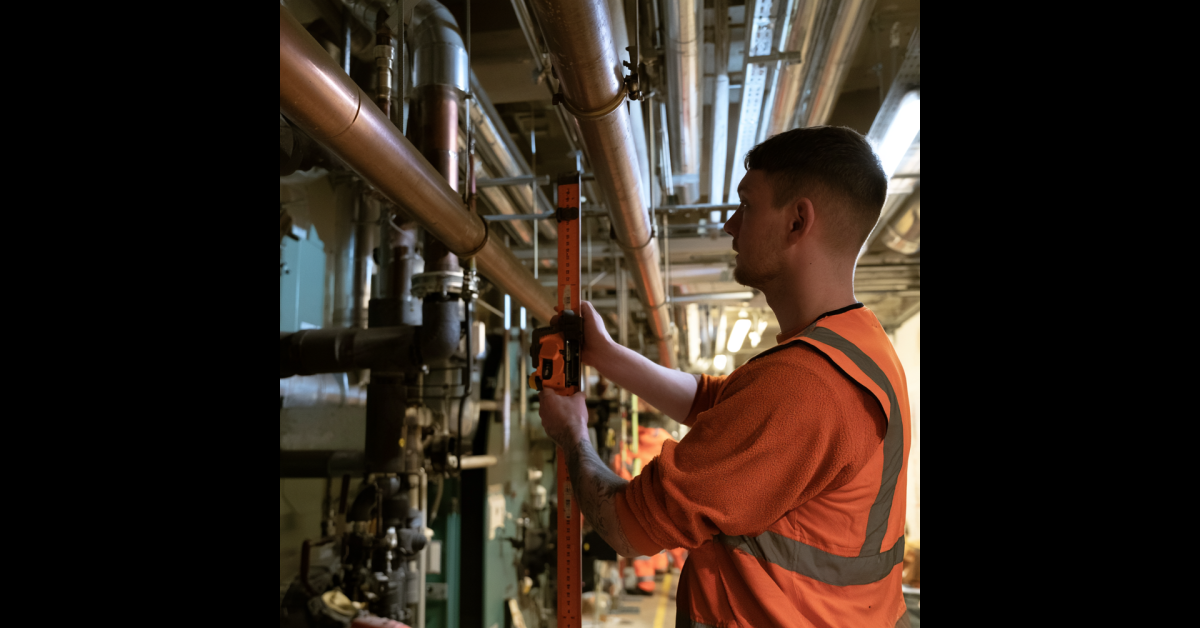
The rigging plan needs to be developed before the system arrives. FabPro provides the system dimensions, weight, and center of gravity in the project documentation. The rigging contractor needs that information to select the appropriate lift equipment and to plan the rigging approach before the truck is on site. A rigging plan developed at the job site on delivery day while the truck is waiting wastes time and increases the risk of a rigging problem that could have been addressed in advance.
The field connection points need to be confirmed against the system connection points. FabPro provides a connection point drawing showing the location, size, and type of every field connection on the system. The mechanical contractor needs to confirm that the rough-in connections in the field match those drawings before delivery day. A field connection that does not match the system connection point on delivery day is a problem that stops the installation.
Delivery day
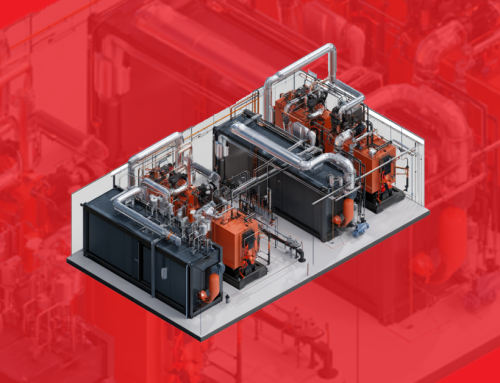
The system arrives on a flatbed truck. Depending on the system size it may arrive as one piece or in multiple sections that are assembled in the field. FabPro coordinates the shipping configuration with the contractor during the project so the number of sections and the assembly sequence are known before delivery.
The rigging contractor sets the system in the mechanical room using the lift points identified on the FabPro rigging drawing. The lift points are structural members of the base frame designed to carry the full system weight during the lift. Rigging from other points on the system risks damage to the equipment and the piping.
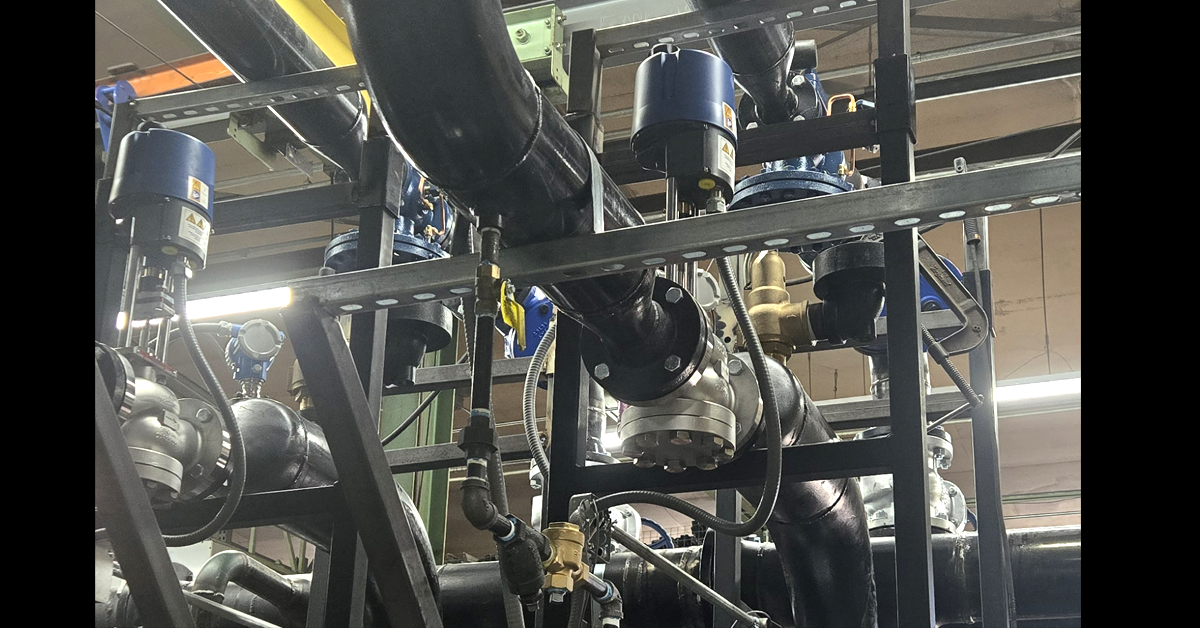
Once the system is set and the base is secured to the floor mounting points, the field connections can begin. FabPro marks every connection point with a label corresponding to the connection drawing. Gas supply, electrical, water supply and return, condensate drain, flue, and BAS connections are all labeled at the system. The contractor works from the connection drawing and the field labels to make each connection in sequence.
Field connections
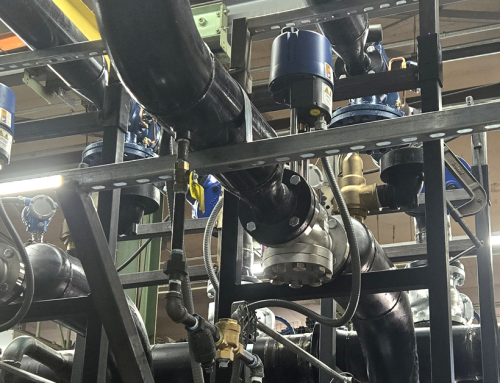
The field connections on a FabPro packaged system are typically grooved, flanged, or threaded depending on the pipe size and the system design. The connection type for each point is shown on the connection drawing. For grooved connections, the field contractor needs the correct grooved coupling type and size on hand before the connection is made. For flanged connections, the gasket material and bolt specification are shown on the connection drawing.
For gas connections, the contractor confirms the gas supply pressure at the connection point against the boiler manufacturer’s inlet pressure requirement before making the final connection. A gas supply pressure that does not match the burner inlet requirement is a commissioning problem that is easier to address before the system is fully connected than after.
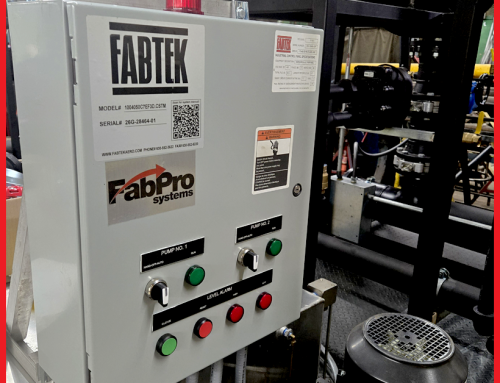
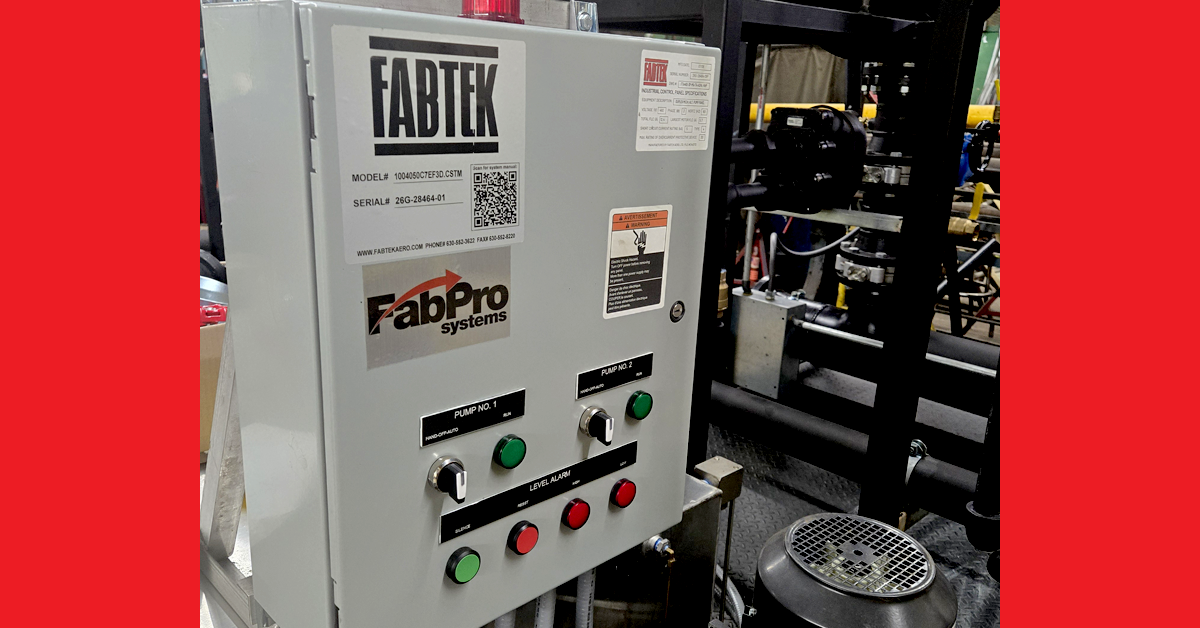
For electrical connections, the contractor confirms the supply voltage and phase at the panel before connecting to the system electrical panel. The system was factory-tested at a specific voltage and phase configuration. Connecting at a different voltage or phase damages the equipment.
Commissioning coordination
Commissioning a FabPro packaged system involves both the field contractor and FabPro. The factory test documentation that comes with the system shows what was verified at the factory, what the system’s operating parameters are, and what needs to be verified in the field. The field commissioning confirms the field connections are correct, the system fills and pressurizes correctly, the controls respond to the building automation system, and the equipment operates within the factory-tested parameters at field conditions.
For packaged systems that include GP Energy Products boiler equipment, the GP Energy service team participates in the boiler startup and can coordinate directly with the contractor and FabPro on the commissioning sequence. Visit gpenergyproducts.com for more. For packaged systems that include Wilo pump equipment, the Merion Pump Company team provides commissioning support and can walk the contractor through the Wilo startup sequence. Visit merionpump.com for more.
FabPro Systems designs and fabricates custom packaged mechanical systems for commercial, institutional, and industrial applications nationally. If you are a mechanical contractor preparing for a FabPro system delivery, reach out and we will walk through the delivery, rigging, and connection sequence with you before the truck arrives.
References
1. ASME B31.3. Process Piping Code. Covers field connection requirements including gasket specifications, bolt torque, and pressure testing for packaged piping system field connections. asme.org
2. NFPA 70. National Electrical Code. Covers electrical field connection requirements applicable to packaged mechanical system electrical panels. nfpa.org
3. ASHRAE. Commissioning Process for Buildings and Systems, Guideline 1.1. Covers field commissioning requirements including factory test documentation review and field verification scope. ashrae.org
4. Rigging Institute. Rigging Safety and Standards. Covers lift point selection, rigging plan development, and equipment handling requirements for mechanical equipment installations. rigginginstitute.com

Leave A Comment