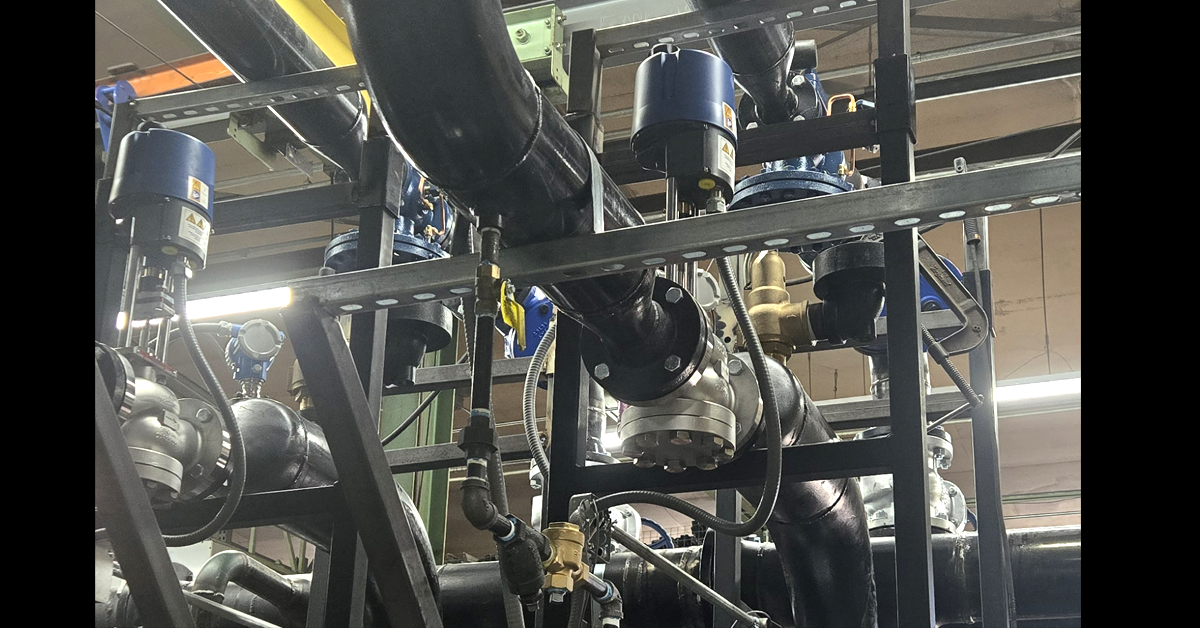
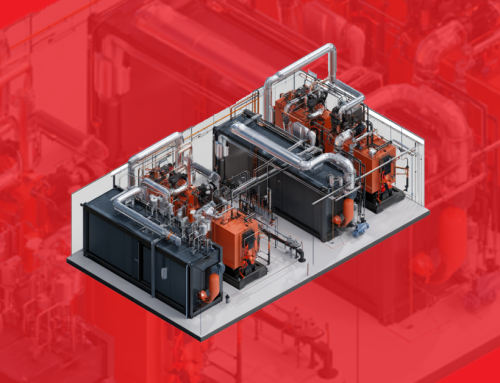
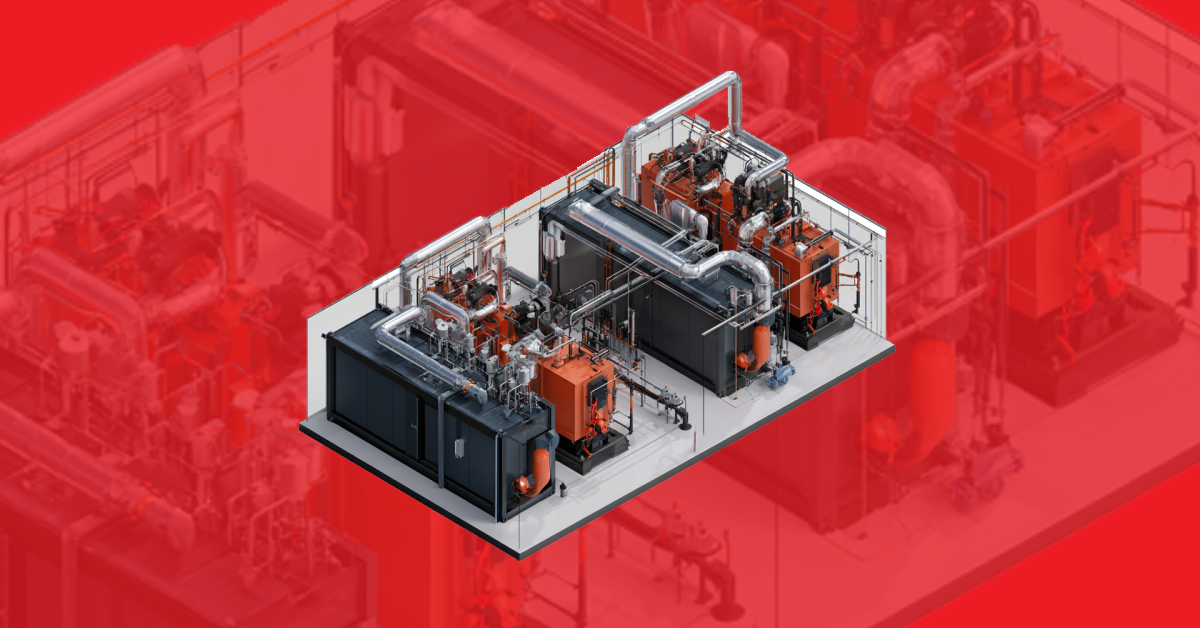
A heat transfer skid looks simple once it is on the pad: a heat exchanger, pumps, valves, instruments, and a lot of piping on a steel frame. Getting to that point takes a lot of steps. Most of them happen in the shop, and almost all of them are easier there than in the field.
Start with the design
Before any steel is cut, the layout is worked out on paper. Where does the exchanger sit, and where does the pump go? How do the connections line up with the building piping? Where do the valves, gauges, and instruments go so they can be read and serviced? A good layout settles all of this before fabrication.
Frame and mounting
The skid starts with the steel frame, built to carry the weight of the equipment with the exchanger, pumps, and piping all in place. The major equipment is then set and aligned on the frame.
Piping and welding
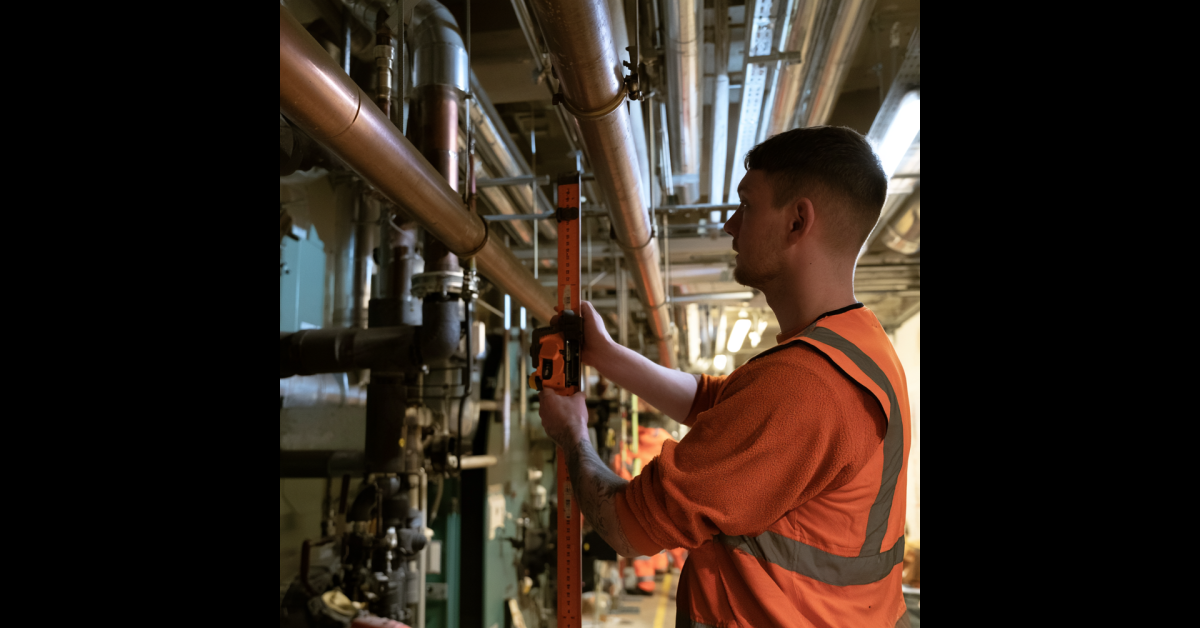
Piping is cut, fitted, and welded to connect the equipment in the layout. A shop has the room, the lighting, and the access that make fit up and joint quality easier to control. Work that would be awkward in a mechanical room is straightforward on a shop floor.
Instruments and controls
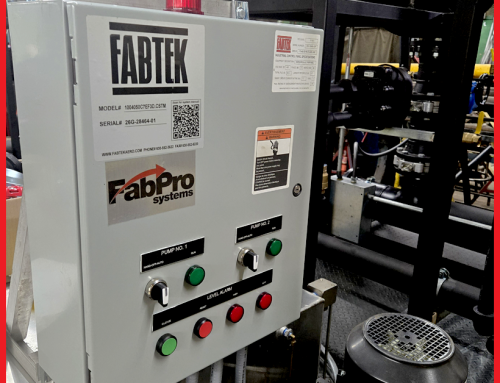
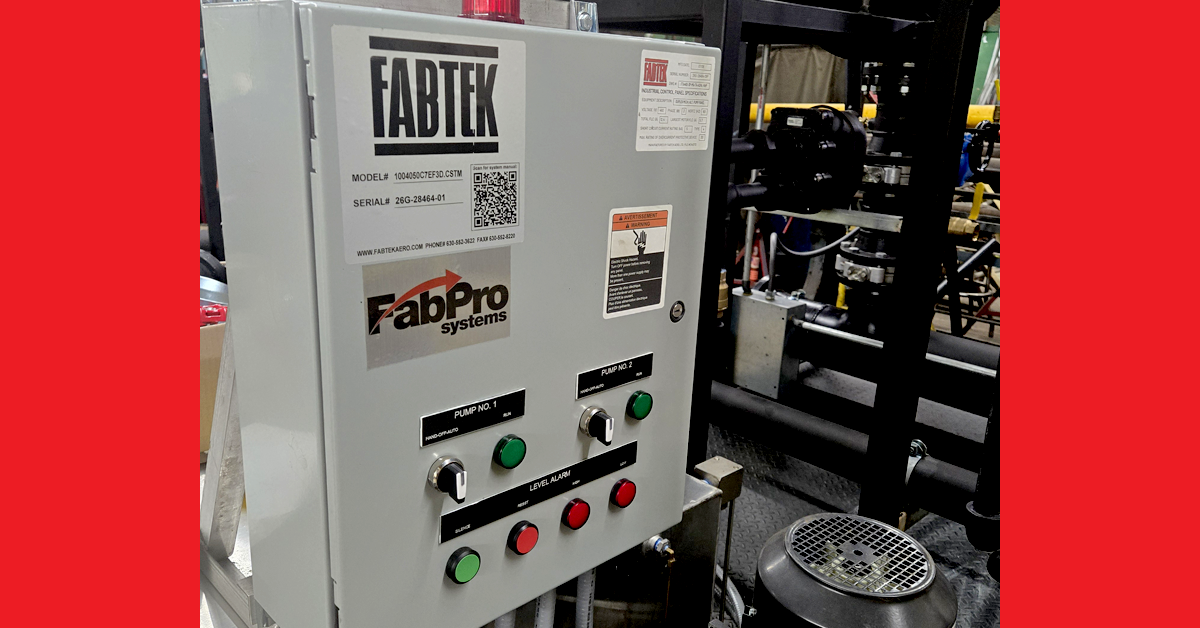
Gauges, thermometers, sensors, and control components are installed and wired to the skid. Doing it in the shop means the connections are made once, and the field only needs to bring in power and the building piping.
Testing before it ships
Before the skid leaves the shop, it is checked. Piping is tested for leaks and the wiring and instruments are verified. Problems found in the shop are fixed in the shop, which is far cheaper than finding them after delivery.
Why it matters
A skid built in the shop arrives as a single assembled piece. It is set on the pad and connected. That reduces the time spent working in the mechanical room, limits disruption to the building, and cuts the number of trades working in tight spaces.
If a project needs a heat transfer skid, even a rough idea of the duty, the connections, and the room is enough to start a conversation.
For venting a replacement boiler, GP Energy Products covers that in today’s article. Visit gpenergyproducts.com for more. For pump maintenance before peak load, Merion Pump Company covers seals and bearings in today’s article. Visit merionpump.com for more. For coils in variable flow systems, HX Coils covers that in today’s article. Visit hxcoils.com for more.
References
1. ASME. B31.9, Building Services Piping: scope covering heating and cooling water, steam and condensate, and boiler external piping within its limits. asme.org B31.9 table of contents
2. FabPro Systems. Packaged systems and skid fabrication. fabprosystems.com



Leave A Comment