
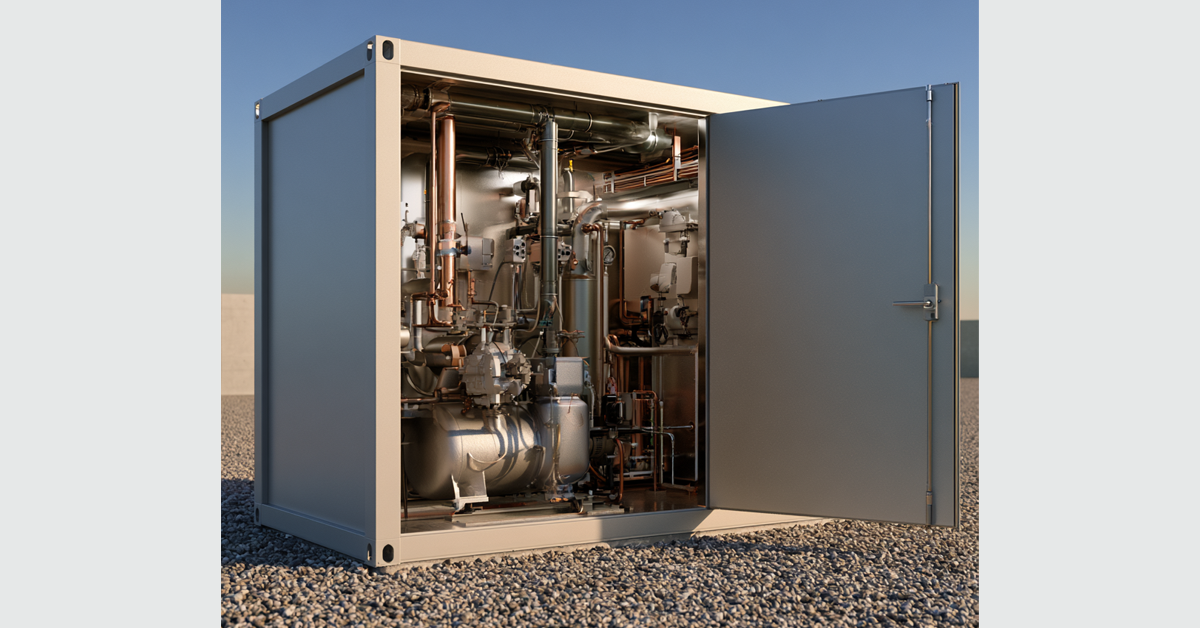
Not every building has a mechanical room that can accommodate the equipment it needs. Campus expansion projects add heating and cooling loads that the existing mechanical room cannot serve. Historic buildings cannot be modified to create mechanical room space without compromising the structure or the building’s character. Industrial sites add process equipment that generates utility demands in locations where no building infrastructure exists. Rooftop installations place mechanical equipment in locations that require weather protection the equipment itself does not provide.
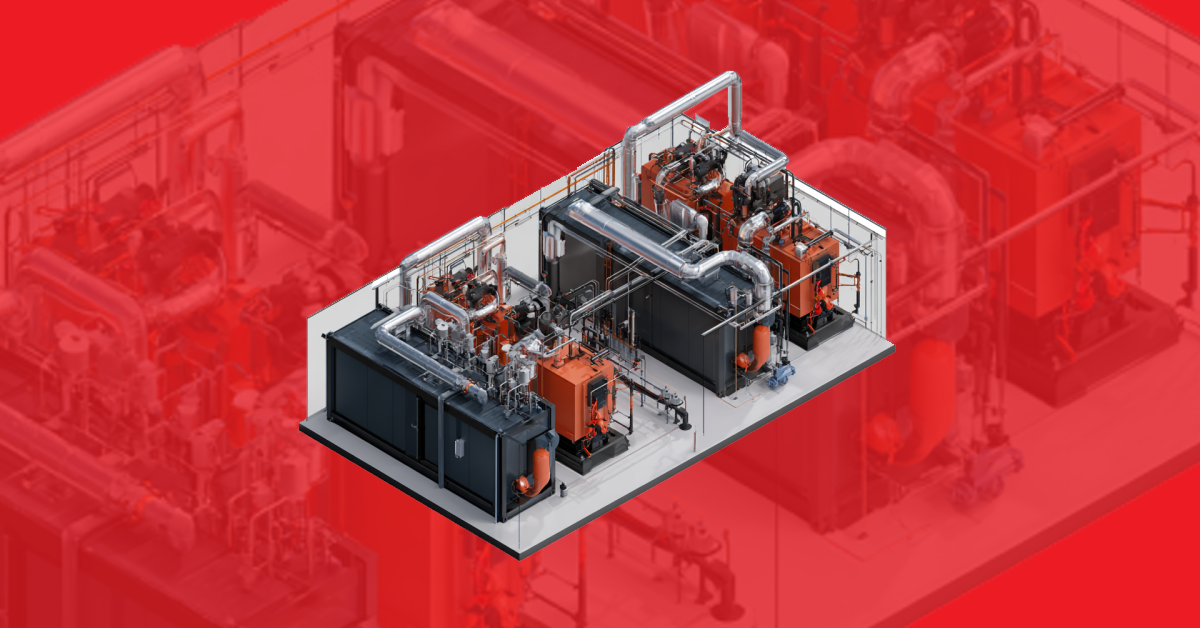
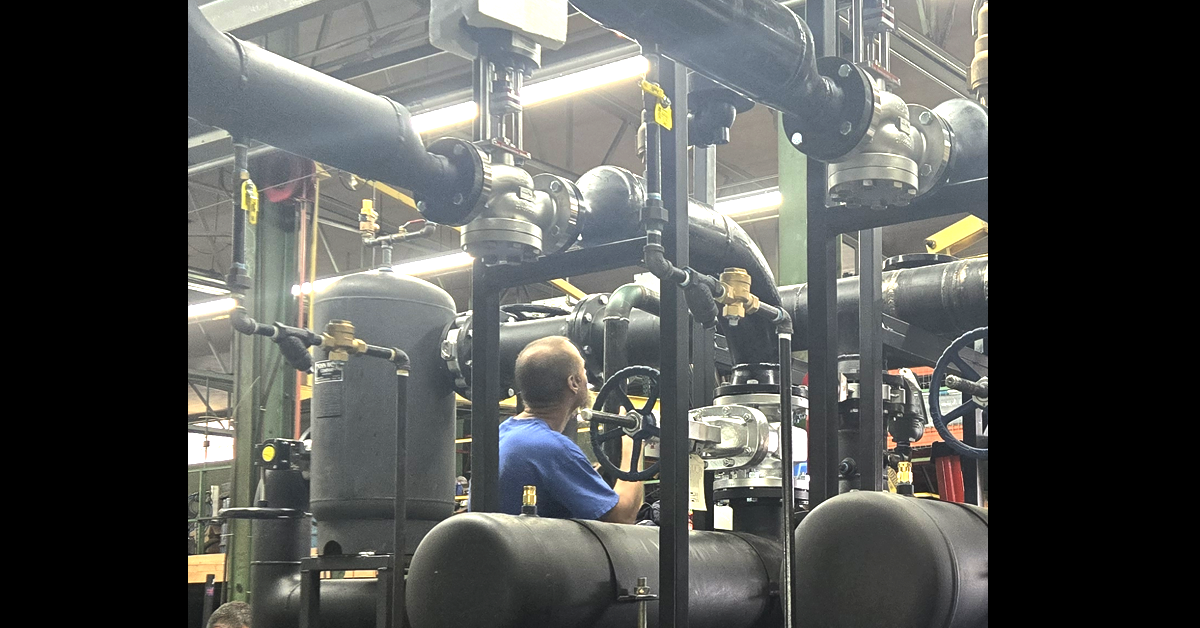
In all of these situations, the outdoor mechanical enclosure is the solution. A purpose-built structure that houses the mechanical equipment, protects it from weather, provides the access and clearances required for maintenance, and integrates the utility connections and controls that the equipment requires. Factory-assembled, delivered to the site as a complete unit, and connected to the building infrastructure at defined points.
The outdoor enclosure is not a shed with equipment in it. The specification decisions that determine whether an outdoor enclosure performs correctly for the life of the equipment inside it are more involved than the mechanical system it houses.
Structural requirements
The enclosure structure needs to be designed for the site conditions where it will be installed. Wind load requirements vary by location and by enclosure height and exposure category. Snow load requirements apply to roof-mounted enclosures and to enclosures in regions where snow accumulation on the roof is a design condition. Seismic requirements apply in areas with seismic design categories that trigger equipment anchorage and structural bracing requirements.
For enclosures installed on grade, the foundation needs to be designed for the combined weight of the enclosure structure and the equipment inside it, distributed to the soil or the structural slab at the installation location. For rooftop enclosures, the existing roof structure needs to be confirmed capable of carrying the enclosure and equipment load before the enclosure is designed, not after it arrives on site.
The enclosure structure also needs to be designed for the maintenance loads that will be applied during the life of the installation. Technicians entering the enclosure, tools and replacement parts being moved through the access doors, and in some cases lifting equipment used to remove and replace major components inside the enclosure all place loads on the structure that need to be accounted for in the design.
Weatherproofing and thermal performance
The enclosure needs to protect the equipment inside from the full range of weather conditions at the site. Rain, snow, ice, wind-driven precipitation, and in coastal locations salt air and corrosive marine environment all need to be accounted for in the enclosure design and material selection.
The roof, walls, and floor of the enclosure need to form a continuous weather barrier without gaps at penetrations. Every utility penetration through the enclosure envelope, gas piping, water supply, electrical conduit, flue penetrations, and HVAC connections, is a potential weather infiltration point that needs to be sealed and detailed correctly.
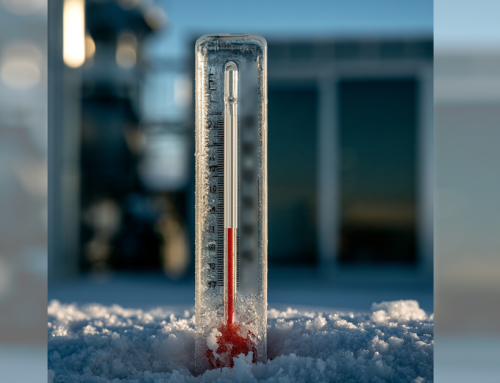
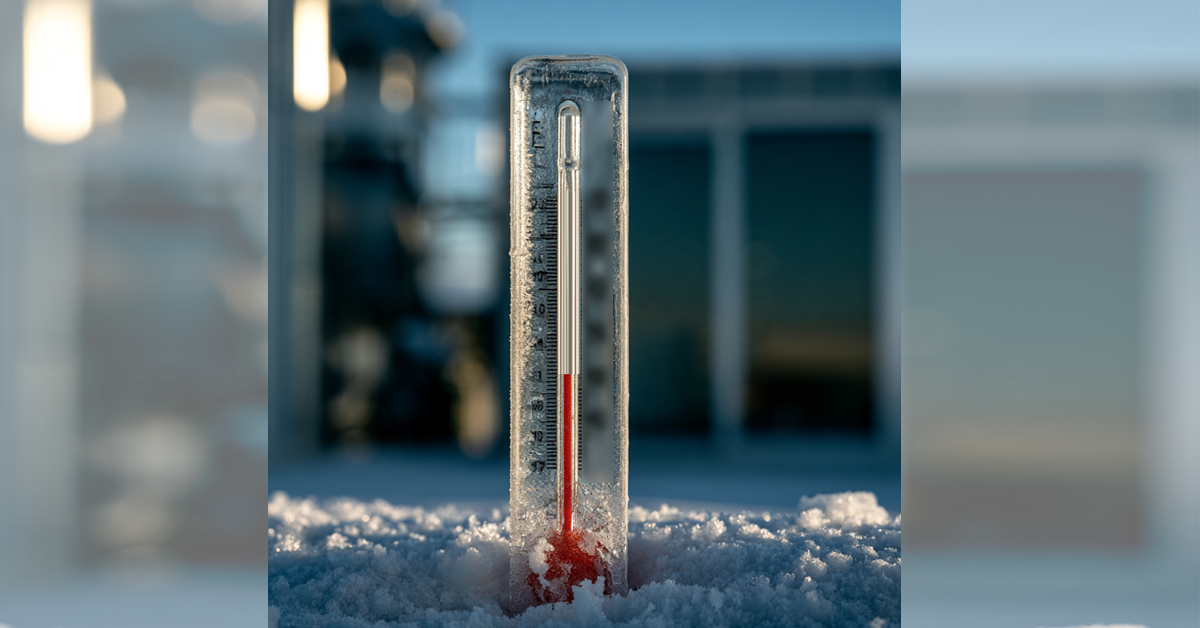
For enclosures housing equipment with minimum ambient temperature requirements, insulation and heating need to be provided to maintain acceptable temperature inside the enclosure during cold weather. A boiler installation in an outdoor enclosure needs the enclosure to stay above freezing even at the lowest recorded ambient temperature for the site. For enclosures in hot climates or in locations with significant solar heat gain, ventilation or cooling may be required to keep the enclosure temperature within the acceptable operating range for the equipment.
HVAC for the enclosure
The enclosure itself needs mechanical ventilation to manage heat generated by the equipment inside, to maintain acceptable ambient temperature for the equipment and for personnel working in the enclosure, and in combustion equipment applications to provide combustion air.
Combustion air for boilers and other fuel-fired equipment in outdoor enclosures needs to meet the same requirements as combustion air in an indoor mechanical room. The enclosure ventilation system needs to supply the volume of air required for combustion at all firing rates of the equipment, plus the ventilation air required for the enclosure itself. An enclosure that is tightly sealed for weatherproofing without adequate provision for combustion air will starve the burner of oxygen and produce combustion problems that are identical to those produced by an undersized combustion air opening in an indoor mechanical room.
For enclosures housing electrical equipment, the heat generated by variable speed drives, motor control centers, and control panels needs to be managed by the enclosure ventilation system. Electrical equipment in enclosures that run hot shortens the service life of capacitors and power electronics on a predictable schedule.
Electrical and controls
The electrical service to the outdoor enclosure needs to meet the NEC requirements for outdoor electrical installations, including weatherproof enclosures for all electrical terminations, conduit sealing at penetrations into the enclosure envelope, and ground fault protection where required by the applicable code.
The control panel inside the enclosure needs to be rated for the ambient temperature range the enclosure will experience. A control panel rated for indoor installation at 40 to 104 degrees Fahrenheit installed in an enclosure that reaches 120 degrees Fahrenheit on a summer afternoon will experience nuisance trips, premature component failure, and reduced service life.
Building automation system connectivity for outdoor enclosures requires a communication pathway from the enclosure to the BAS that is rated for the outdoor environment. Fiber optic communication cables are common in outdoor enclosure applications because they are immune to the ground loop and lightning surge issues that affect copper communication cables in outdoor installations.
Code compliance
Outdoor mechanical enclosures are subject to the building code requirements of the jurisdiction where they are installed. In most jurisdictions, an outdoor mechanical enclosure is classified as an accessory structure and requires a building permit. The permit application needs to include structural calculations, mechanical drawings, electrical drawings, and in some jurisdictions an energy compliance calculation.
For enclosures housing fuel-fired equipment, the fuel gas code requirements for gas piping, equipment clearances, and combustion air apply regardless of whether the equipment is in a building or an outdoor enclosure. The International Fuel Gas Code and NFPA 54 requirements for equipment clearances from combustible construction, from property lines, and from openings in adjacent buildings apply to outdoor enclosure installations.
For campus and institutional applications where outdoor enclosures are part of a larger capital project, the enclosure permitting timeline needs to be coordinated with the overall project schedule. A permit application that is filed after the design is complete and the equipment is on order is on the critical path for the project. A permit application that is filed as part of the early design phase is not.
For outdoor enclosure applications where the equipment includes GP Energy Products boilers or related steam system equipment, the GP Energy team handles the mechanical equipment specification and can coordinate with FabPro on the enclosure design. Visit gpenergyproducts.com for more. For outdoor enclosure applications where Merion Pump Company equipment is part of the package, the Merion team handles pump selection and can coordinate with FabPro on the enclosure integration. Visit merionpump.com for more. For enclosures that include custom heat exchanger coils, HX Coils handles the coil specification for outdoor enclosure integration. Visit hxcoils.com for more.
References
1. International Building Code. Chapter on Accessory Structures. Covers structural, fire, and occupancy requirements for outdoor mechanical enclosures. iccsafe.org
2. NFPA 54. National Fuel Gas Code. Covers combustion air, equipment clearances, and installation requirements for fuel-fired equipment in outdoor enclosure applications. nfpa.org
3. NFPA 70. National Electrical Code. Covers electrical installation requirements for outdoor mechanical enclosures including weatherproof terminations and conduit sealing. nfpa.org
4. ASHRAE. HVAC Systems and Equipment Handbook. Covers ventilation and thermal requirements for equipment enclosures in outdoor applications. ashrae.org

Leave A Comment