
FabPro Systems designs and fabricates custom packaged mechanical systems for commercial, institutional, and industrial applications nationally. Over the past several months the FabPro team has been building a technical content library covering the packaged system topics that come up most often in project conversations. What factory assembly changes about the installation and commissioning process. What heat transfer skids are and when they are the right answer. What campus pump skid applications require at large scale. What modular boiler room design planning looks like before the drawings start. What the factory testing process actually involves.
This guide organizes that library into a single reference. Each section links to the full article on the topic. Engineers, mechanical contractors, and facility managers working on projects where packaged mechanical systems are relevant should bookmark this page and return to it when a project question comes up.
What factory assembly changes about the commissioning process
The fundamental value of factory assembly is not the product. It is the process. When the coordination that would otherwise happen between trades in the field happens in the engineering and fabrication process instead, the commissioning process changes from a discovery exercise into a verification exercise. The startup team confirms that the system performs in the installed configuration the way it performed in the factory, rather than learning how the system behaves for the first time with the installation team standing around waiting.
From boiler to coil to pump: what factory assembly enables when the full mechanical system is the project covers the coordination problems that component-by-component specification creates in the field, how factory assembly addresses those problems before anything ships, and how the four GP Energy Products Group brands come together on a full mechanical system project. It is the clearest statement of the one-team value proposition FabPro delivers alongside GP Energy, Merion Pump, and HX Coils. Article here
What factory assembly changes about the commissioning process
The fundamental value of factory assembly is not the product. It is the process. When the coordination that would otherwise happen between trades in the field happens in the engineering and fabrication process instead, the commissioning process changes from a discovery exercise into a verification exercise. The startup team confirms that the system performs in the installed configuration the way it performed in the factory, rather than learning how the system behaves for the first time with the installation team standing around waiting.
From boiler to coil to pump: what factory assembly enables when the full mechanical system is the project covers the coordination problems that component-by-component specification creates in the field, how factory assembly addresses those problems before anything ships, and how the four GP Energy Products Group brands come together on a full mechanical system project. It is the clearest statement of the one-team value proposition FabPro delivers alongside GP Energy, Merion Pump, and HX Coils. Article here
Condensing boiler installation packaging
Condensing boilers have installation requirements that make them good candidates for the packaged approach. Positive-pressure Category IV venting. Condensate neutralization. Return water piping that keeps temperatures low enough to condense. Controls that integrate with the building automation system and sequence correctly with the distribution pumps. Each requirement is manageable in isolation. Together, in a mechanical room where multiple trades are coordinating around each other’s schedules, they produce the callbacks and commissioning problems that a packaged approach prevents.
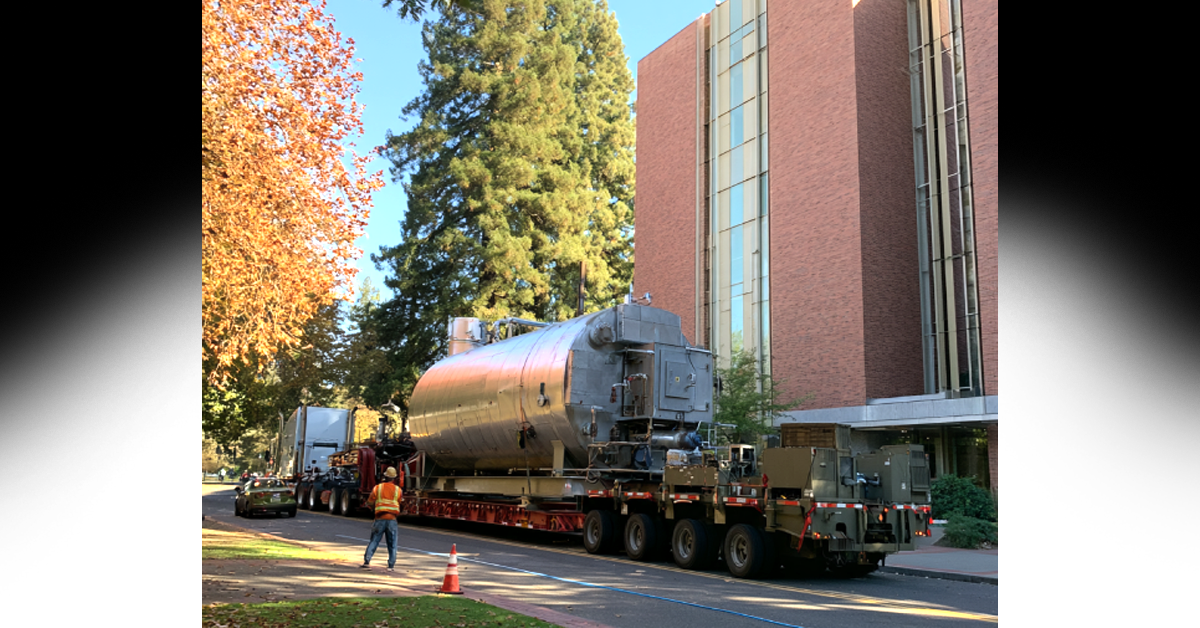
Packaging a condensing boiler installation: what factory assembly adds to a high-efficiency boiler replacement project covers the specific installation requirements that distinguish condensing from conventional boiler replacements, how factory assembly addresses each requirement before the system ships, and what the practical benefits are for installation timeline and commissioning risk.
Heat transfer skids
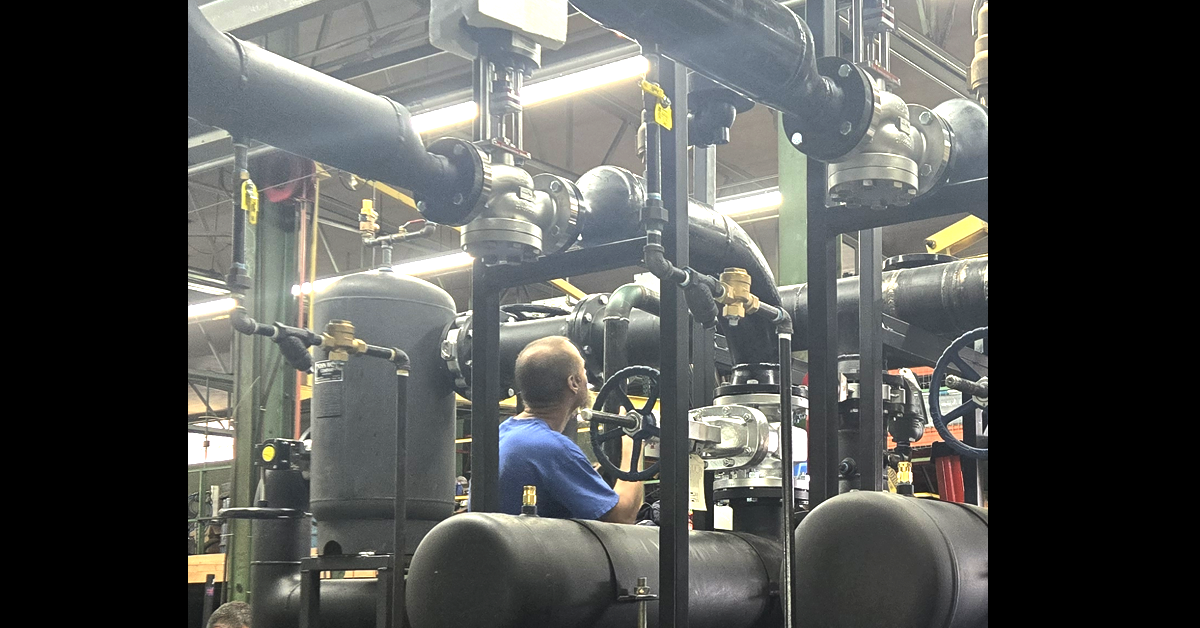
A heat exchanger rarely works alone. It needs pumps, valves, instrumentation, and controls to do its job. Specifying those components separately and coordinating their installation in the field is one option. Factory assembly on a common base, tested before it ships, is usually the better one.
Heat transfer skids: what they are and when a factory-assembled heat transfer system is the right answer covers plate heat exchanger, shell and tube, and brazed plate configurations assembled with pumps, controls, and instrumentation on a common structural base. Building isolation applications. Process heating and cooling. Free cooling. What FabPro needs to start the design. Article here
Campus and district energy pump skids
Campus and district energy pump skid applications are not standard commercial pump skids at a larger size. The scale changes the design requirements, the structural considerations, the controls complexity, and the installation logistics in ways that compound as the system gets larger.
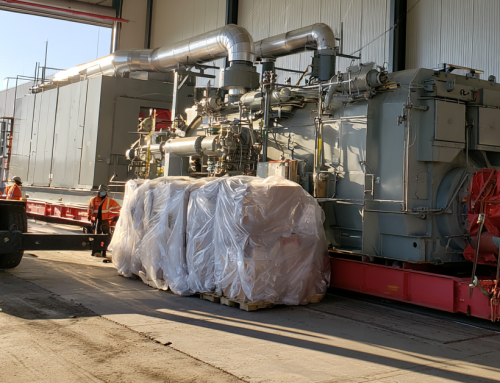
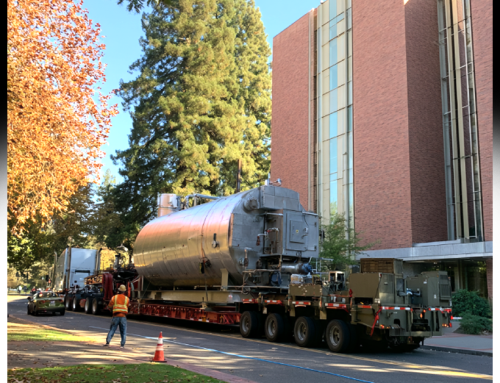
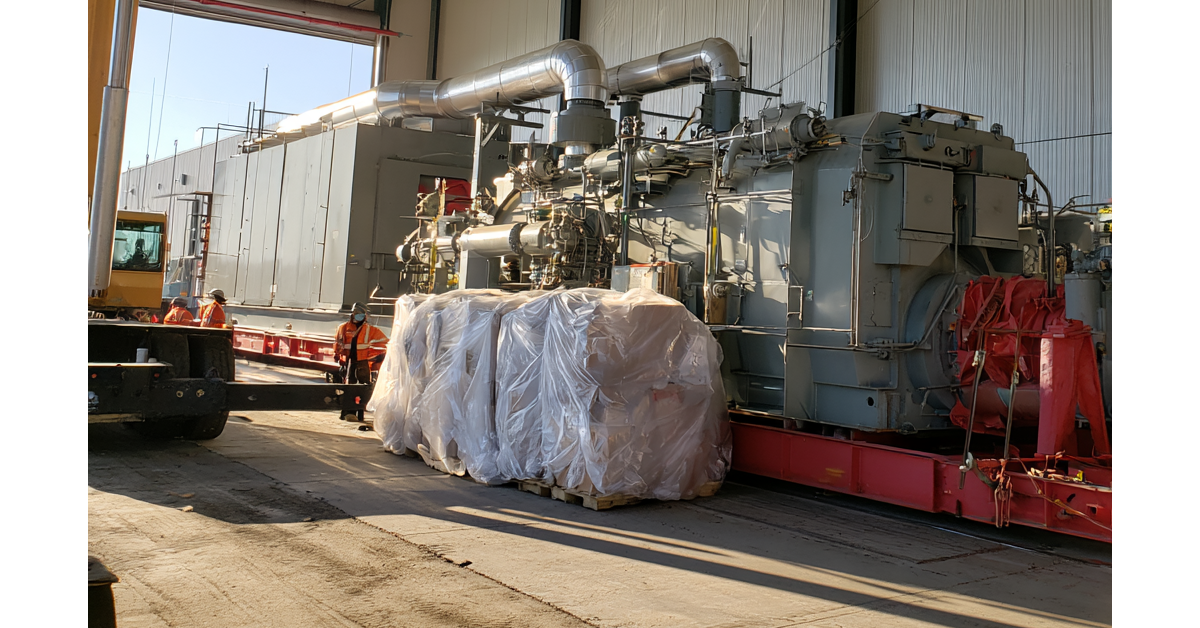
Pump skids for campus and district energy distribution: what large-scale applications require covers hydraulic complexity in multi-building distribution loops, structural requirements for large rotating equipment loads, controls integration at campus scale including BAS protocol standardization and fault management, and the shipping and rigging logistics that need to be solved before fabrication rather than after the system arrives on site. Article here
Modular boiler room design
The decisions that determine whether a mechanical room replacement goes smoothly or generates field problems are not made during construction. They are made during planning, before the engineer has started the drawings.
Modular boiler room design: how to plan a mechanical room replacement before the drawings are started covers scope definition and connection point documentation, access and logistics assessment before the system is sized, utility connection planning for gas, water, electrical, flue, condensate, and building automation, and commissioning scope definition that coordinates factory testing with field commissioning. Article here
What the factory testing process actually looks like
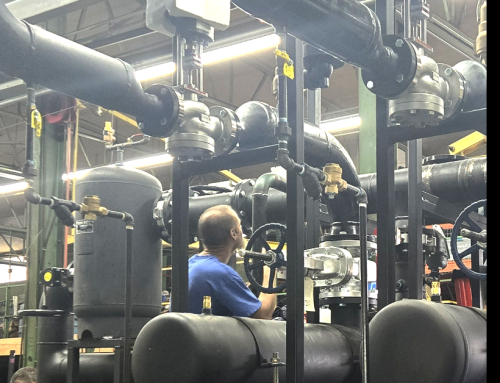
Factory tested means something specific at FabPro. Hydrostatic pressure testing at above maximum allowable working pressure with documented hold times and inspector signature. Laser alignment verification on every rotating component with readings recorded. Controls cycled through every operating mode including alarm conditions and fault responses. Electrical sign-off on every termination. Functional run test at or near design conditions where the application permits. All of it documented in a package that ships with the system.
What the FabPro factory testing process actually looks like: a detailed walkthrough before a system ships covers each step in the factory testing sequence, what documentation each step produces, and how the factory test documentation relates to the field commissioning process the startup team uses on site. Article here
Quick reference: FabPro article library
From boiler to coil to pump: what factory assembly enables when the full mechanical system is the project
Packaging a condensing boiler installation
Heat transfer skids
Pump skids for campus and district energy distribution
Modular boiler room design and planning
What the FabPro factory testing process actually looks like
Cross-system resources
FabPro packages are built around equipment from across the GP Energy Products Group. For commercial and industrial boiler selection and service, the GP Energy Products team handles the boiler plant conversation across Pennsylvania, New Jersey, Delaware, and Maryland. Visit gpenergyproducts.com for the GP Energy article library covering breeching design, efficiency ratings, controls, pre-season startup, and manufacturer-specific guidance.
For commercial pump selection and service, the Merion Pump Company team handles the pump system conversation. Visit merionpump.com for the Merion Pump article library covering variable flow systems, chiller plant pumping, high-rise pump selection, and plate heat exchangers.
For custom heat exchanger coils in commercial and industrial HVAC applications, the HX Coils team handles coil specification and fabrication for integration into FabPro packaged systems. Visit hxcoils.com for the HX Coils replacement coil resource guide.
References
1. FabPro Systems. Article library at fabprosystems.com. All articles referenced in this guide are published on the FabPro Systems website.
2. ASME B31.3. Process Piping Code. Governs pressure testing and fabrication requirements for packaged piping systems across the FabPro product range. asme.org
3. ASHRAE. Commissioning Process for Buildings and Systems, Guideline 1.1. Covers the relationship between factory testing documentation and field commissioning for packaged mechanical systems. ashrae.org
4. Hydraulic Institute. Pump System Optimization Guide. Covers pump selection, alignment, and system design for packaged pump skid applications. pumps.org



Leave A Comment