
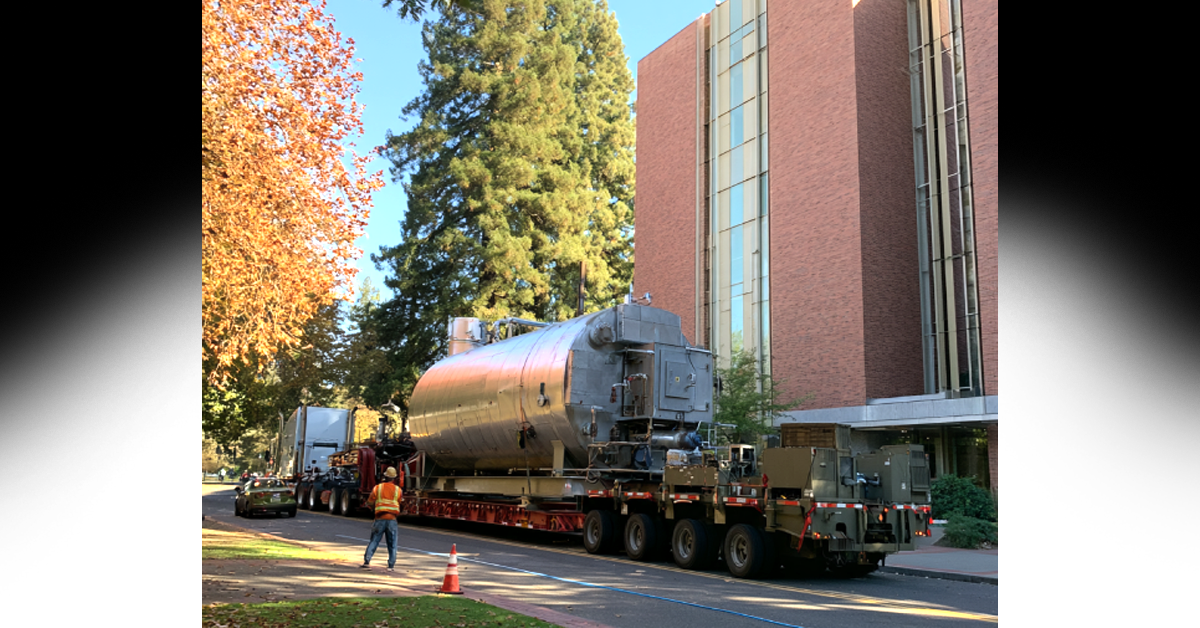
Higher education facilities present a set of project conditions that make factory-assembled packaged mechanical systems particularly well suited to the application. Campus buildings are occupied on schedules that leave narrow installation windows. Mechanical rooms in historic academic buildings were not designed for the equipment capacities that modern building loads require. Campus infrastructure projects are coordinated across multiple departments with competing priorities and limited tolerance for extended construction disruption. And institutional owners increasingly require documentation, commissioning, and performance verification that exceeds what a standard commercial project specification demands.
Factory assembly addresses each of these conditions in ways that field assembly cannot match. Understanding what higher education mechanical projects typically require, and how the packaged approach responds to those requirements, is the starting point for evaluating whether factory assembly belongs in the scope conversation for a campus project.
Occupied building constraints and installation windows
Universities and colleges operate on academic calendars that create defined windows for mechanical system work. Summer break provides the longest uninterrupted access window, typically ten to fourteen weeks depending on the institution and the program schedule. Winter break provides a shorter window, typically two to four weeks. Work that cannot be completed within those windows either extends into occupied periods, which creates disruption and in some cases safety and liability issues, or gets deferred to the next available window, which extends the project timeline and the period during which the building operates with degraded or temporary mechanical service.
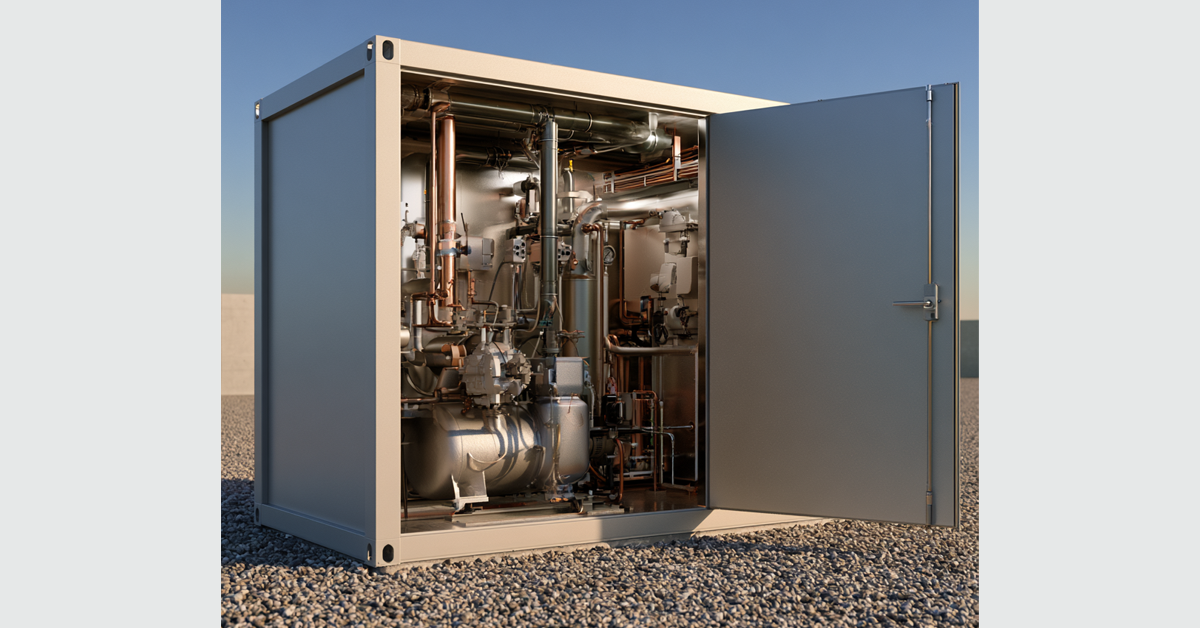
A factory-assembled packaged system compresses the field installation phase of the project because the equipment arrives as a complete, tested assembly that makes defined connections to the building infrastructure rather than being assembled in place from components. A boiler room replacement that would require six weeks of field assembly can be completed in two to three weeks of installation work when the system arrives as a packaged unit. For a campus project where the available window is ten weeks, that difference determines whether the project can be completed before the academic year resumes or whether it extends into the fall semester.
The compression of the installation timeline also reduces the period during which the building’s mechanical systems are disrupted. A factory-assembled system that is placed, connected, and commissioned in three weeks produces less disruption to adjacent occupied spaces, less noise, less temporary mechanical service, and less coordination with building occupants than a six-week field assembly project in the same mechanical room.
Historic building mechanical room constraints
Many campus buildings predate the mechanical systems they now house by decades or more. Mechanical rooms in historic academic buildings were often added as afterthoughts, carved out of spaces that were designed for other purposes, or sized for equipment capacities that were appropriate at the time the room was created but that have been exceeded by subsequent additions to the building load.
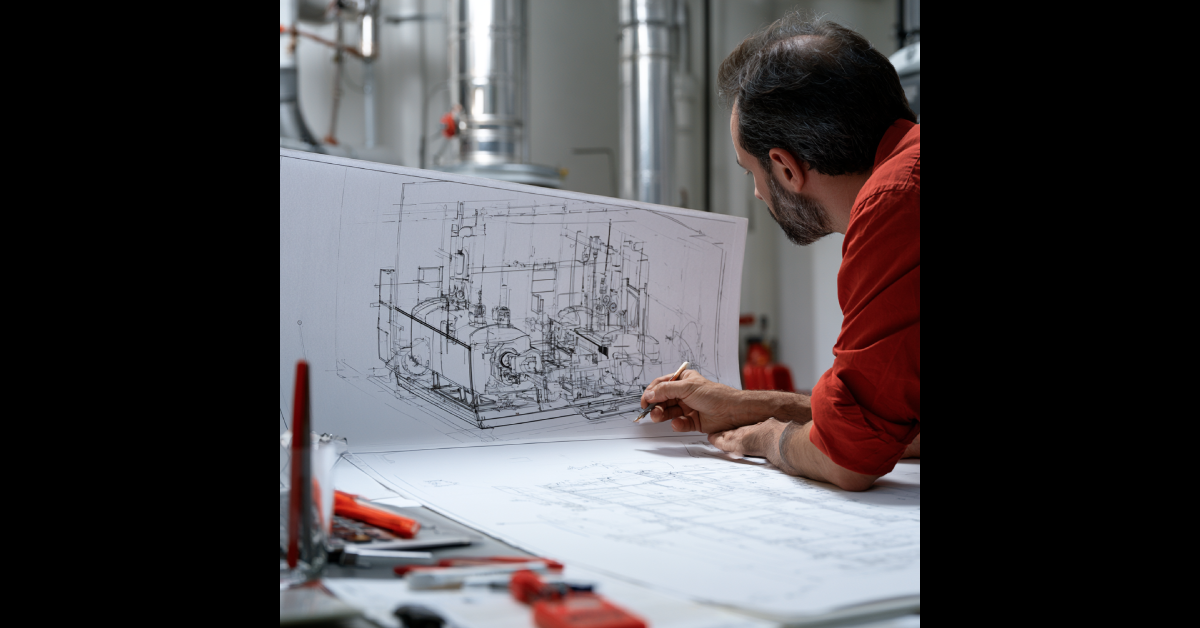
These rooms present the access and dimensional constraints that factory assembly is specifically equipped to address. A packaged system that is designed from the start around the dimensional constraints of the mechanical room, with equipment arranged to fit through the available access path and configured to fit within the available floor area and ceiling height, arrives on site as a system that was engineered for the specific room it will occupy.
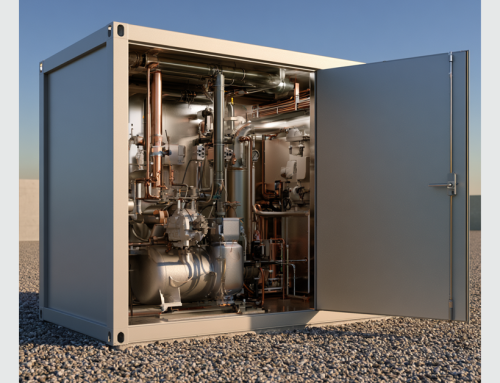
For mechanical rooms where the access path from the loading dock to the room cannot accommodate a fully assembled package, a modular design that breaks the system into sections that reconnect in the room maintains most of the factory assembly advantages while solving the logistics problem. The field connections between modules are engineered with the same care as the factory connections, and the reconnection procedure is documented as part of the installation package.
Institutional documentation and commissioning requirements
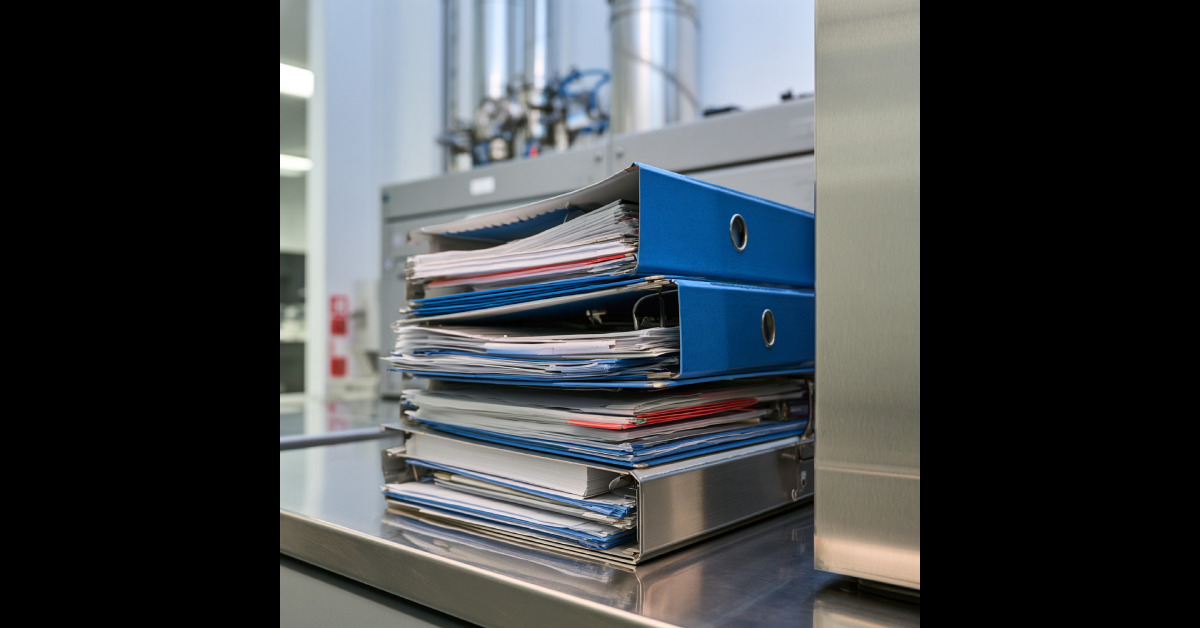
Higher education facility owners typically require more documentation than standard commercial project owners, and the commissioning process for campus mechanical systems is often more rigorous than what a standard commercial specification demands. Facilities departments at universities and colleges maintain long-term records of mechanical system installations, and the documentation that accompanies a new installation becomes part of the building’s maintenance and operations record for the life of the equipment.
Factory test records, equipment submittals, sequence of operations documents, and as-built drawings all need to be organized and delivered in formats that the institutional facilities department can incorporate into their records management system. A factory documentation package that is complete, organized, and delivered with the system reduces the administrative burden on the facilities department and ensures that the information the maintenance team needs is available when the system requires service years after the original installation team has moved on.
For campus projects where the mechanical system is part of a broader capital improvement program that includes energy performance requirements, the factory test records provide the baseline performance data that the energy management program references. A system that was tested at design conditions at the factory and documented with the test results provides the commissioning agent with a verified baseline rather than a first-time performance assessment.
Coordination with campus infrastructure
Campus mechanical projects involve coordination with campus infrastructure systems that standard commercial projects do not. Campus steam distribution, campus chilled water loops, campus electrical distribution, and in some cases campus building automation systems all need to be coordinated with the building-level mechanical system that the packaged unit houses.
For campus steam connections, the packaged system needs to be designed for the actual campus steam pressure and quality at the building connection point, which may differ from what a standalone boiler plant would produce. Campus chilled water connections have similar requirements: the packaged system needs to be designed for the campus supply temperature and the campus distribution pressure rather than for building-level parameters.
Building automation system integration for campus buildings typically requires connection to the campus BAS rather than a standalone building-level BAS, and the communication protocol and point list for the packaged system controls need to be confirmed against the campus BAS specification before the control panel is designed.
For campus mechanical projects that include boiler plant equipment from GP Energy Products, the GP Energy team handles the boiler specification and coordinates with FabPro on system integration. Visit gpenergyproducts.com for more on GP Energy’s commercial and industrial boiler capabilities. For pump systems serving campus mechanical packages, the Merion Pump Company team handles pump selection and can coordinate with FabPro on skid design. Visit merionpump.com for more. For heat exchanger coils in campus packaged systems, the HX Coils team handles coil specification and fabrication. Visit hxcoils.com for more.
FabPro Systems designs and fabricates custom packaged mechanical systems for higher education and institutional applications nationally. Campus projects benefit from early FabPro involvement in the planning conversation, before the installation window, the access constraints, and the documentation requirements have been sorted out independently. Reach out before the design is started and we will work through the campus-specific requirements with you.
References
1. ASHRAE. Commissioning Process for Buildings and Systems, Guideline 1.1. Covers commissioning documentation requirements for institutional mechanical systems including higher education applications. ashrae.org
2. APPA. Facilities Management for Higher Education. Covers institutional facilities management standards and documentation requirements for campus mechanical systems. appa.org
3. ASME B31.3. Process Piping Code. Governs pressure testing and fabrication requirements for packaged piping systems in campus mechanical plant applications. asme.org
4. NFPA 85. Boiler and Combustion Systems Hazards Code. Covers safety requirements for boiler installations in campus and institutional applications. nfpa.org



Leave A Comment