
A pump skid specification that arrives at a fabricator with complete, accurate information produces a system that performs correctly, ships on time, and installs without surprises. A specification that arrives incomplete produces a system that requires multiple rounds of clarification, ships late, and occasionally arrives on site missing something that nobody thought to specify until the installation team went looking for it.
The gap between those two outcomes is not a fabrication quality problem. It is a specification problem, and it is entirely preventable if the right information is gathered before the order is placed rather than during fabrication or after delivery.
This article covers what engineers need to include in a custom pump skid specification and what a fabricator needs to know to build the right system. The two lists are not identical. There is information the engineer has that the fabricator cannot determine without it, and there are decisions the fabricator needs to make that require that information as the starting point.
What a pump skid is and what it includes
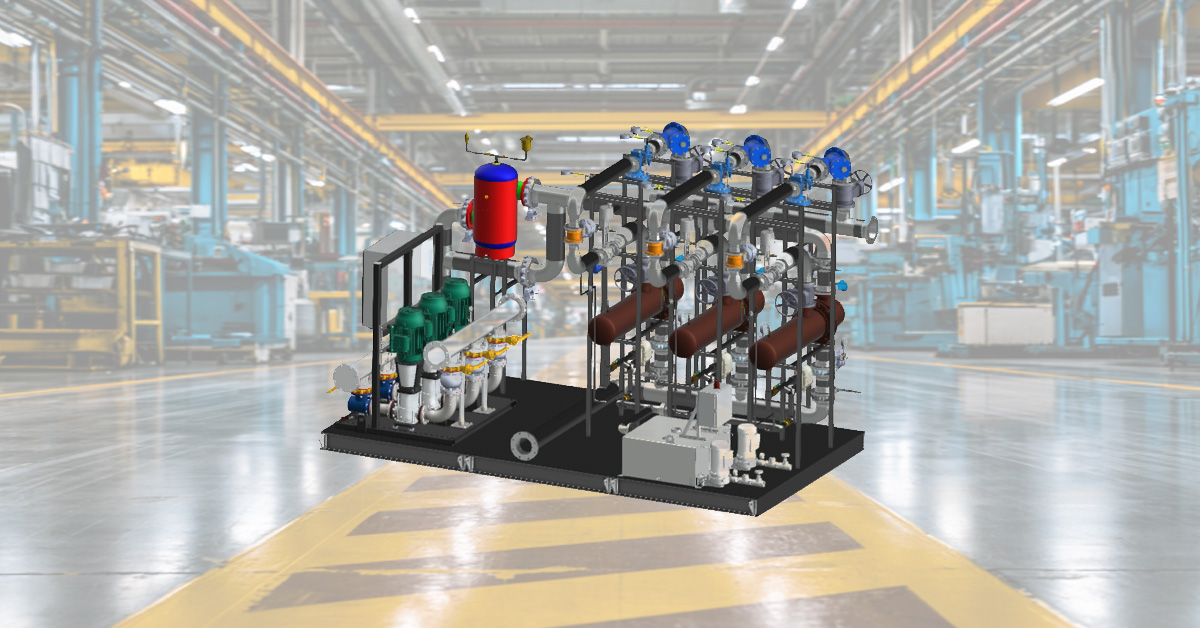
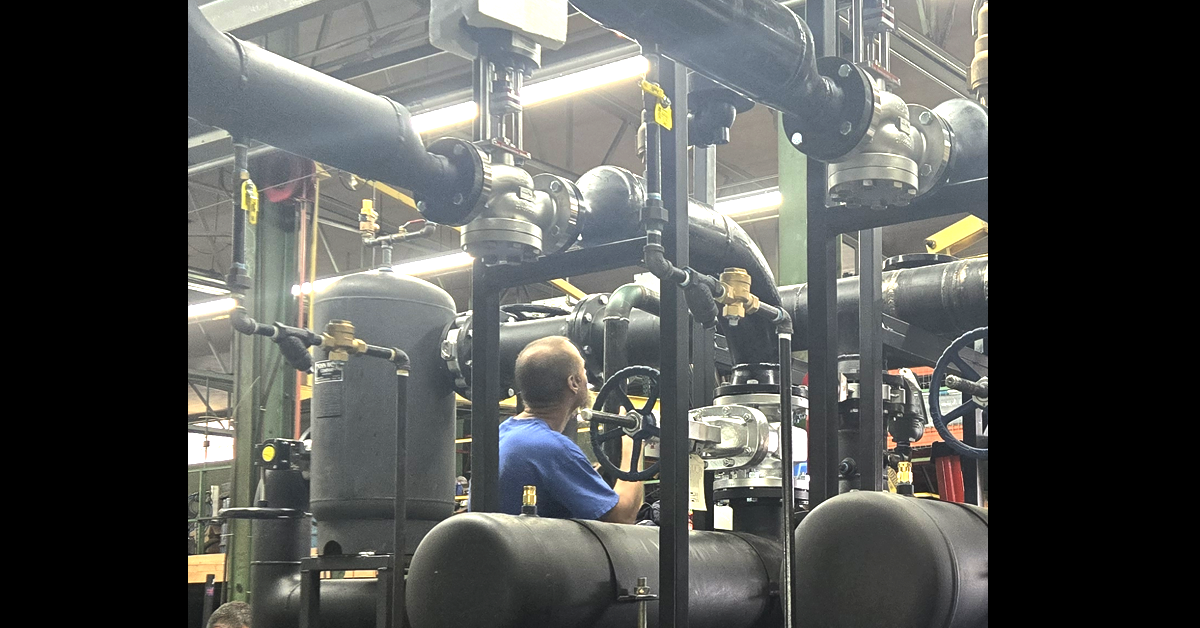
A pump skid is a factory-assembled mechanical system mounted on a common structural base that includes one or more pumps and the ancillary components required to support their operation. At minimum, a pump skid includes the pumps, the interconnecting piping and valves, and the structural base. A fully specified pump skid typically also includes the motor starters or variable frequency drives, the control panel and instrumentation, isolation and check valves, pressure gauges, flow meters, expansion joints, and the electrical wiring between all components.
The degree to which a pump skid is a complete system versus a collection of components on a base depends entirely on the specification. A skid that includes integrated controls, single-point power connection, and factory testing is a fundamentally different product from a skid that includes pumps and piping with controls and electrical work handled separately in the field. Both are pump skids. They are not the same deliverable, and the specification needs to be explicit about which one is being ordered.
Hydraulic information the fabricator needs
The hydraulic specification drives the pump selection, the piping design, and the valve configuration. Without complete hydraulic information, the fabricator is either guessing at critical design parameters or asking clarifying questions that delay the project.
Flow rate and pressure requirements. The design flow rate in gallons per minute and the required pressure differential at design flow. For variable flow applications, the minimum and maximum flow rates and the corresponding pressure requirements across that range. For multi-pump configurations, whether the pumps operate in parallel, in series, or in a duty-standby arrangement.
Fluid specification. The fluid type, temperature, viscosity, and any special properties relevant to material selection. Water is the most common fluid in commercial HVAC applications, but glycol solutions, process fluids, and chemically treated water all affect pump selection and material choices. Glycol concentration affects both the hydraulic performance of the pump and the material compatibility of seals, gaskets, and internal components.
System pressure. The maximum system pressure the skid will be exposed to, not just the operating pressure. Pressure spikes during valve closure, pump startup, and system transients can exceed steady-state operating pressure significantly. The piping, valves, and pressure vessels on the skid need to be rated for the maximum system pressure with appropriate safety margin.
Inlet conditions. The available suction pressure at the pump inlet and the Net Positive Suction Head available from the system. A pump selection that does not account for the available NPSH at minimum inlet conditions will cavitate in service, producing noise, vibration, and accelerated impeller wear.
Mechanical and physical requirements
Skid dimensions and weight constraints. The maximum footprint the skid can occupy in the installation space, the maximum height including any overhead clearances, and any weight limitations imposed by the floor structure or lifting equipment available at the installation site.
Piping connection sizes, locations, and orientations. The inlet and outlet connection sizes need to match the building piping. The connection locations need to be accessible for the field installation team to make the connections without disassembling surrounding structure. The connection orientations, top, bottom, side, need to match the direction the building piping approaches the skid.
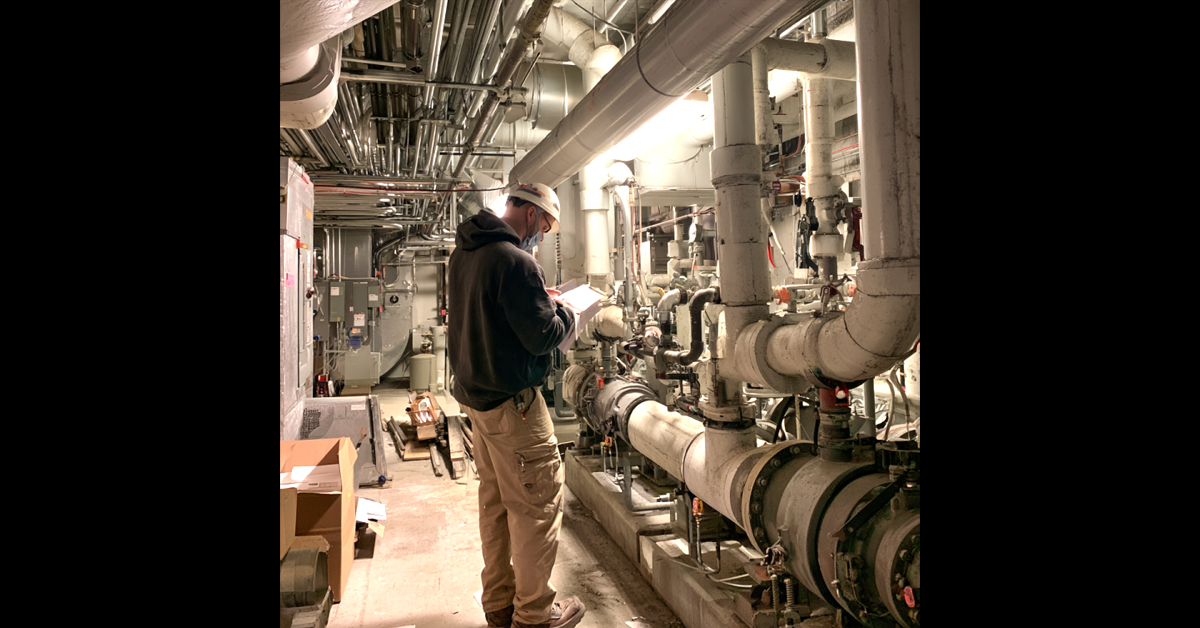
Service clearances. The space required around the skid to perform routine maintenance on every component. Pump mechanical seal replacement, strainer cleaning, valve operation, gauge reading, VFD filter replacement, and control panel access all require defined clearances that need to be accommodated in the skid layout and the installation space.
Drain requirements. Every pump skid needs a means of draining the system for maintenance. The drain configuration needs to be specified, including the drain connection size and location and whether the drain connects to a floor drain or requires a collection point.
Roof drainage. Flat or low-slope enclosure roofs accumulate standing water if the drainage design is inadequate. Standing water accelerates roof deterioration, adds structural load, and can infiltrate through fastener penetrations. A positive-slope roof or an internal drain designed for the roof area and the rainfall intensity at the site is the correct specification.
Wind and seismic loading. Outdoor enclosures are structures subject to wind loading, and in some regions seismic loading. The structural design of the enclosure needs to account for the wind exposure category at the site and the applicable building code requirements. An enclosure that is adequate for a sheltered location may not be adequate for a rooftop or a coastal site with higher wind exposure.
Controls and electrical specification
The controls specification is where pump skid orders most frequently arrive incomplete. The fabricator needs to know the following before the control panel can be designed and built.
Voltage, phase, and frequency. The available electrical supply at the installation point. The control panel and all motor starters or VFDs need to be configured for the actual supply voltage, not a default assumption.
Control strategy. How the pumps are controlled. Fixed speed or variable speed. Lead-lag sequencing logic for multi-pump configurations. Remote start-stop signals from the building automation system. Analog speed reference signals for VFD control. Local-off-remote selector switch requirements. All of these are control decisions that need to be specified, not assumed.
Instrumentation. What measurements need to be displayed locally and what signals need to be transmitted to the building automation system. Differential pressure, flow rate, temperature, pump status, fault conditions, and runtime hours are all common instrumentation requirements. Each one requires a sensor, a signal conditioning device, and a wiring connection that needs to be in the design before fabrication begins.
Communication protocol. If the control panel needs to communicate with a building automation system, the protocol needs to be specified. BACnet, Modbus, LonWorks, and proprietary protocols all require different hardware and configuration, and the decision affects the panel design.
Factory testing requirements
A pump skid that is factory tested before delivery arrives on site with a confirmed baseline of performance. The specification should define what factory testing is required and what documentation needs to ship with the system.
At minimum, every FabPro pump skid undergoes pressure testing of all piping with documented hold times, controls verification cycling through the full sequence of operations, electrical sign-off confirming every termination and the power connection, and alignment verification on all rotating equipment. For applications where a functional run test is required, the specification should define the test conditions and the acceptance criteria before fabrication begins so the test can be planned as part of the fabrication process.
For pump skid applications that involve Wilo or other pump manufacturers represented by Merion Pump Company, the pump selection and performance data should be coordinated between the pump supplier and the fabricator before the skid design is finalized. Visit merionpump.com for more on Merion’s commercial pump capabilities. For skid applications that involve heat exchangers, the HX Coils team handles the heat exchanger specification and fabrication. Visit hxcoils.com for more on HX Coils’ custom heat exchanger capabilities.
What FabPro needs to start the design
The earliest the conversation happens, the more FabPro can contribute to the design. When the hydraulic requirements, the physical constraints, the controls strategy, and the testing requirements are all known before the fabrication drawings are started, the design process produces a system that is right the first time. When that information arrives piecemeal during fabrication, changes accumulate, schedules slip, and the system that ships is less well integrated than one that was designed from complete information.
FabPro Systems designs and fabricates custom pump skids for commercial, institutional, and industrial applications nationally. Reach out before the specification is finalized and we will work through the application requirements with you and confirm what the fabrication scope needs to include before anything is ordered.
References
1. Hydraulic Institute. Pump System Optimization Guide. Covers pump selection, NPSH requirements, variable flow design, and system curve analysis. pumps.org
2. ASME B31.3. Process Piping Code. Governs pressure testing requirements for process piping systems in packaged pump skids. asme.org
3. NEMA. Standards for Industrial Controls and Systems. Covers control panel design, wiring, and termination requirements for pump skid control panels. nema.org
4. ASHRAE. HVAC Systems and Equipment Handbook, Chapter on Pumps. Covers pump selection, system design, and variable flow applications. ashrae.org
5. ASME B73.1. Specification for Horizontal End Suction Centrifugal Pumps. Covers dimensional and performance standards for centrifugal pumps commonly used in pump skid applications. asme.org
All technical claims are consistent with the standards listed above. Contact FabPro Systems for the testing protocol and documentation package applicable to your specific pump skid application.



Leave A Comment