
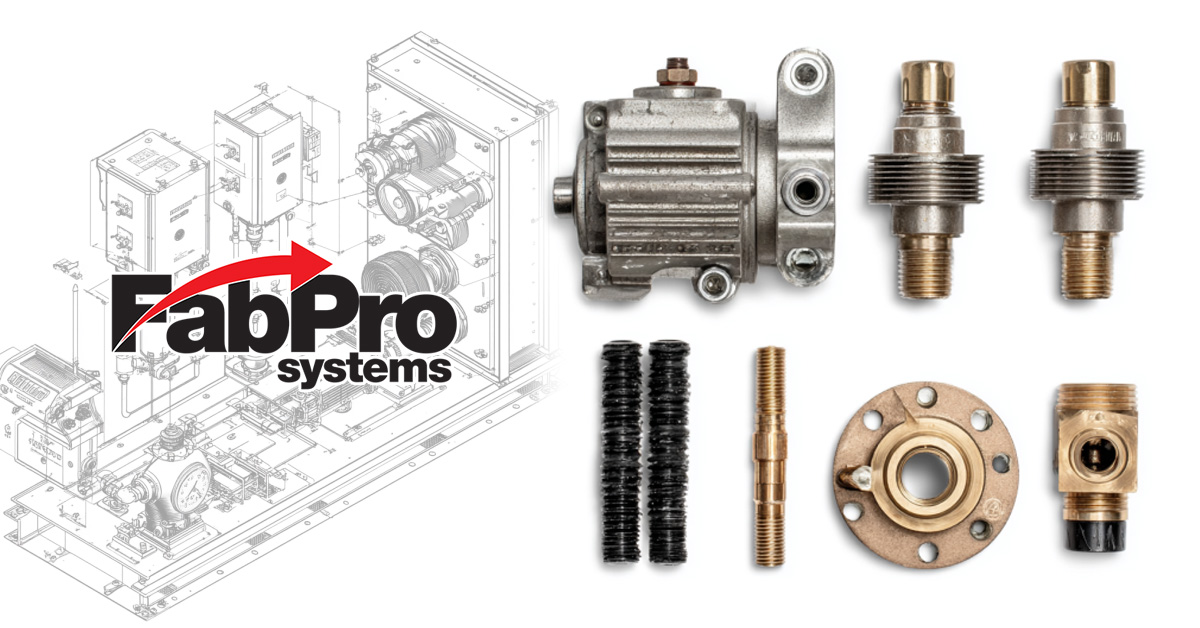
Engineers who get the best results from modular fabrication bring us the application, not just the drawings. The earlier we understand what the system needs to do, the more we can do to make sure it does it. That is a simple statement about process but it has significant consequences for how a project comes together and what the system looks like when it is done.
A parts list is a description of components. An application is a description of what those components need to accomplish, in what environment, under what operating conditions, with what constraints on space, access, installation, and service. The parts list can be derived from a complete application understanding. The reverse is not true. Starting with the parts list and working backward to the application produces systems that are correct in isolation and sometimes fall short in the field.
What changes when the application comes first
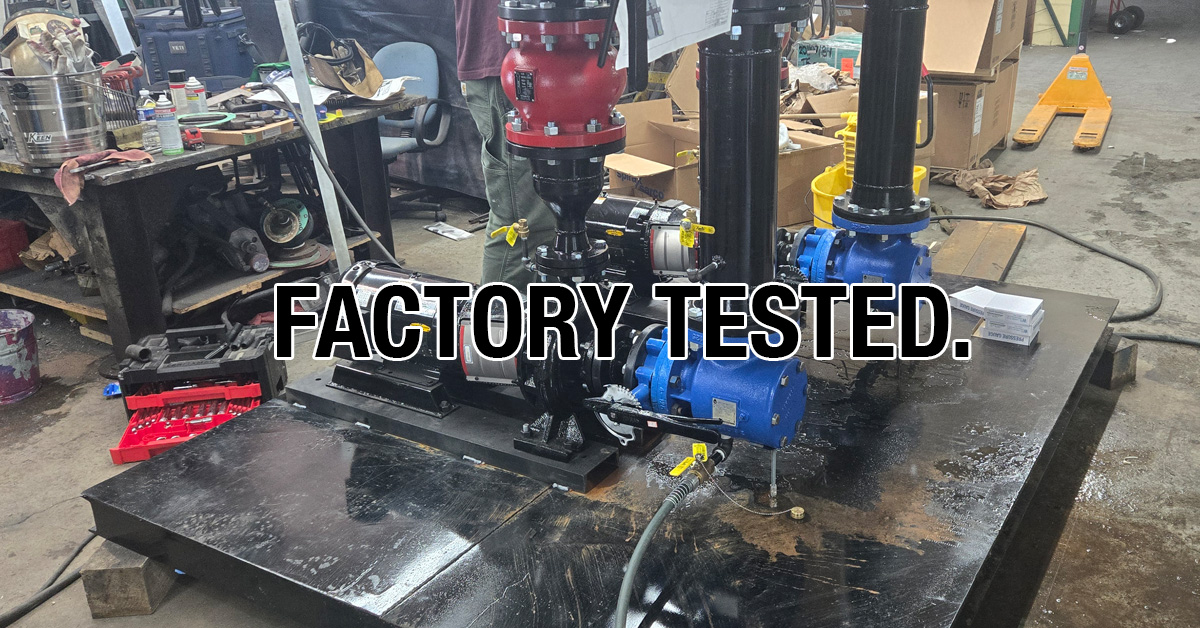
When FabPro understands the application before the design is locked, the decisions that matter most are made correctly from the start. Enclosure size and configuration are driven by the actual service clearances and access requirements of the site, not by the minimum dimensions that fit the equipment. Single-point power and utility connections are designed for the installation conditions, not added as an afterthought. Thermal management for outdoor installations is specified for the actual climate conditions the system will operate in. Factory testing protocols are written against the actual performance requirements of the application.
These are not details. They are the decisions that determine whether the system that arrives on site connects cleanly, starts up correctly, and performs the way it was specified to perform. Getting them right requires understanding the application before the fabrication drawings are finalized.
“The parts list is a description of components. The application is a description of what those components need to accomplish. The best systems start with the second conversation, not the first.”
What this looks like in practice
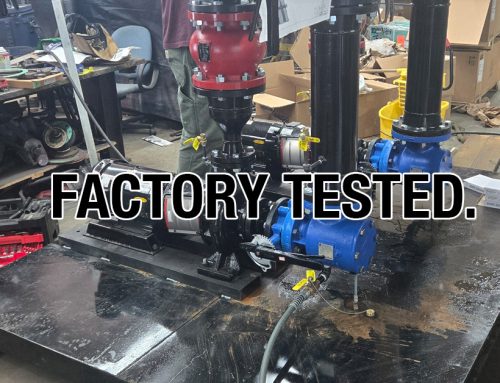
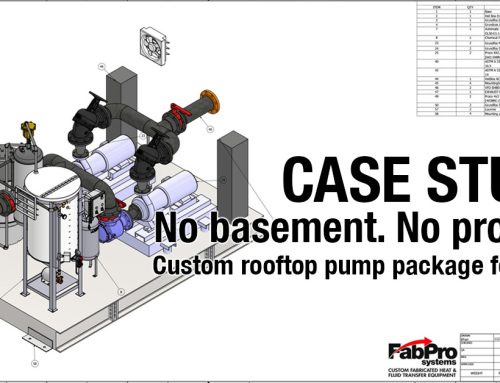
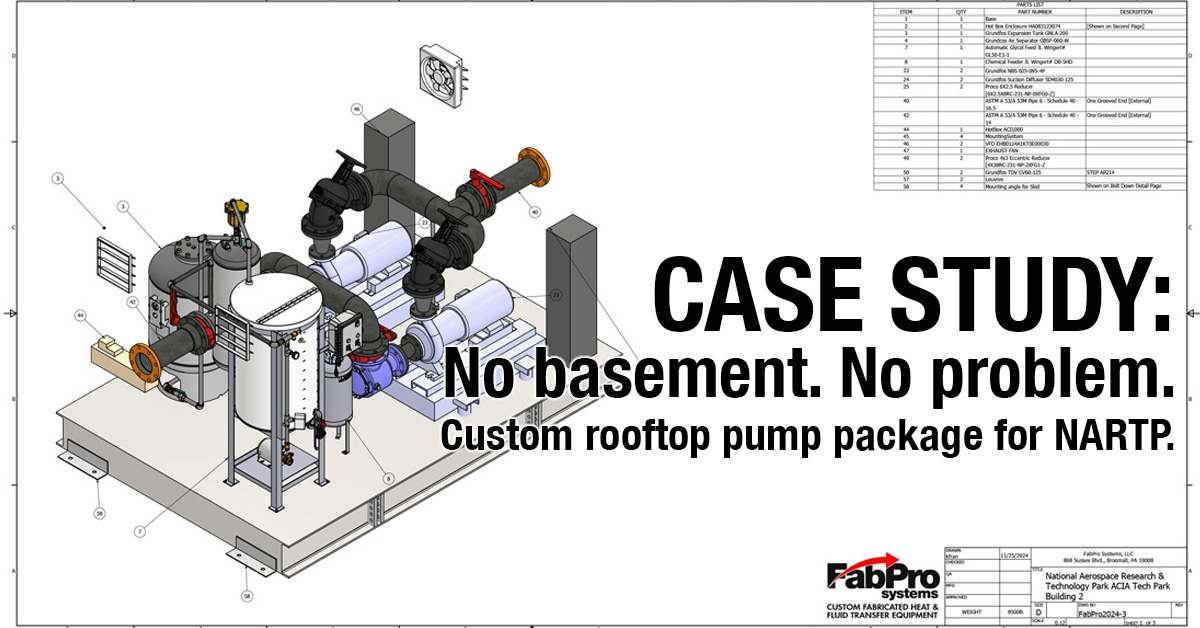
The NARTP rooftop pump package is a good example of what happens when the application drives the design. The constraint was that the system needed to live on the roof, fully enclosed, operational in all weather, with a single-point power connection. Starting from the parts list would have produced a pump skid. Starting from the application produced a fully enclosed, weatherproof, factory-tested package that arrived on site ready to connect.
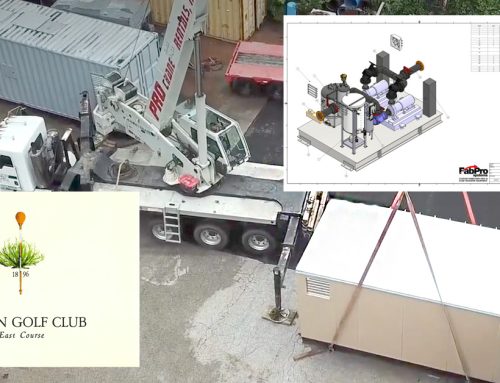
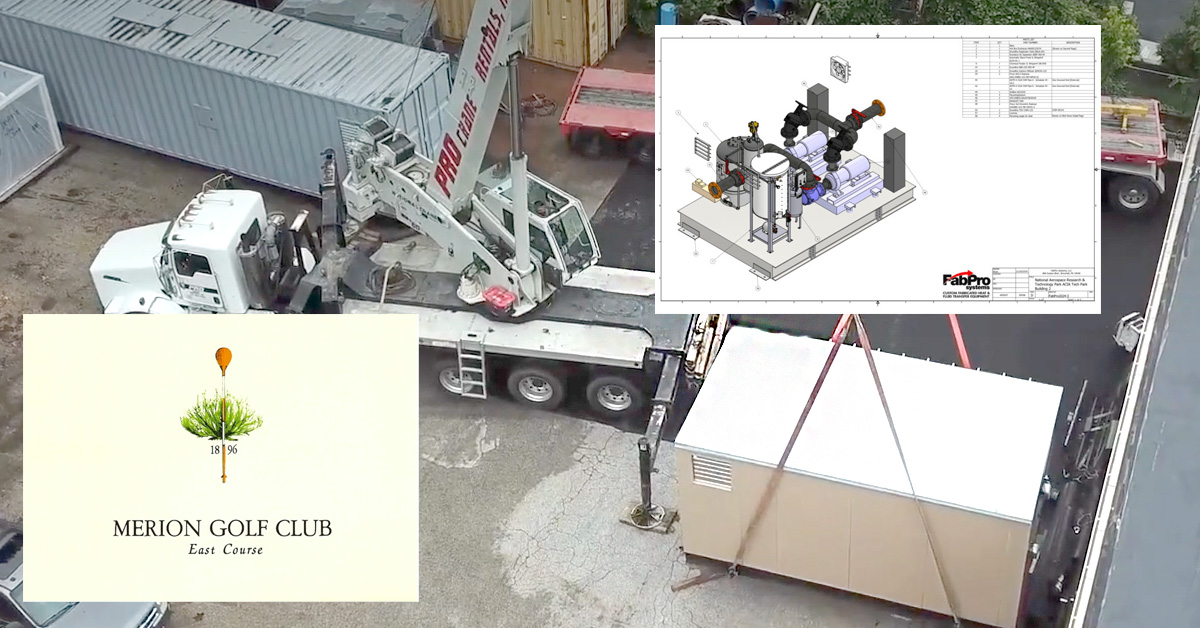
The Merion Golf Club outdoor enclosure tells the same story in a different context. No mechanical room. Two 50 HP pumps, full controls, expansion tank, glycol feed, chemical feed, space heater, lighting, and single-point power. The application was the starting point. The enclosure design followed from it.
FabPro Systems is part of GP Energy Products Group, which means when the application involves a pump selection or a coil specification, the team that handles those components is available through the same conversation. Bring us the problem and we will figure out the parts list together.
References
1. ASME B31.3. Process Piping Code. asme.org
2. SMACNA. Packaged HVAC Equipment Standards. smacna.org
3. FabPro Systems. NARTP Rooftop Pump Package Case Study. fabprosystems.com/case-study-nartp
4. FabPro Systems. Merion Golf Club Outdoor Enclosure Case Study. fabprosystems.com/case-study-merion-golf

Leave A Comment